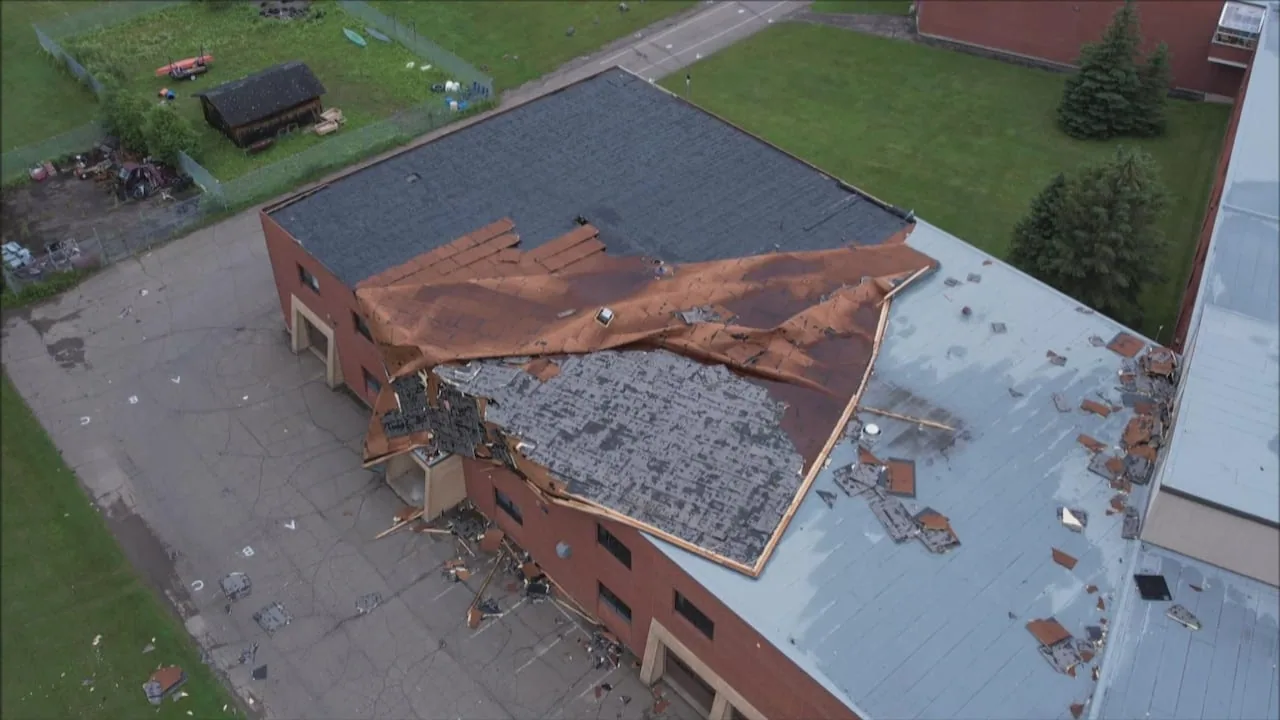

An edge-repair number can omit the attachment work that a lifted roof termination actually needs. We repair wind damage to commercial roofs in Fairfield, CA, by examining the displaced covering, edge construction and usable receiving material before defining the permanent scope. A general contractor needs to know whether the task involves an exposed finish, a failed connection or a wider affected assembly. Those findings establish the preparation, investigation and trade coordination that belong in the bid.
The I-80, I-680 and SR-12 interchange is near Fairfield's Green Valley and Cordelia neighborhoods. For a proposed roof assignment near that junction, we need the exact building and authorized staging instructions before discussing material delivery or access equipment. The project assembly and applicable design requirements establish its attachment decisions. Corridor geography helps arrange the visit without determining the wind demand or condition of an individual roof.
The displaced edge needs a complete examination
A raised metal edge can involve fasteners, receiving support or the membrane connection beneath the visible finish. Uplift loads need a suitable path through the edge assembly into its receiving construction, and a disconnected component can interrupt that path. We examine the affected length and adjoining corners, looking for the construction that must receive the new work. Refastening an exposed piece may leave damaged backing or an interrupted water barrier unresolved. The pricing discussion needs those components identified together, so the proposed correction addresses the examined connection rather than just the part most visible from the ground.
Repair of roof edge metal and its attachments can require removal beyond the visibly displaced segment to reach suitable support. We record that boundary and identify information still needed before it is treated as firm. The general contractor can then assign any outside-trade support task and separate an established repair quantity from a provisional allowance for concealed construction.
Membrane movement can affect nearby details
Loose covering may transfer movement to a seam or penetration beside the affected area. We assess the membrane, attachment and adjoining details instead of assuming that the field will remain usable once the edge is returned to position. A split near a curb may need its own compatible correction. The scope should describe that defect and its receiving material, because its preparation can differ from replacement of the perimeter finish.
A membrane opening caused by contact with a loose component still needs examination before its cause or concealed condition is assigned. We retain the observed opening and supporting evidence with the findings. This lets the contractor price the permanent connection without converting a possible damage mechanism into a documented event that no one observed.
Attachment follows the project requirements
A repair that changes the attachment arrangement needs the relevant project requirements identified before material release. We examine the existing construction and flag support or design questions that require the appropriate discipline. A general contractor should retain that review as a dependency, because available replacement material does not establish that it can be installed with the existing fasteners or receiving support. The roof system and the specific connection must be considered together.
Standing seam roof work may involve clips, panel movement and termination details different from those on a membrane assembly. We identify the installed construction before proposing a method. A substitution affecting the connection requires suitable review, with the resulting preparation retained in the bid. That gives procurement a defined task rather than allowing an urgent delivery date to determine an unexamined installation arrangement.
The holding measure precedes permanent wind repairs
Active entry through an affected detail can call for loss-reduction work before the permanent scope is settled. Our roofing calls are available throughout nights, weekends and holidays. We establish feasible action from the accessible condition and explain what the holding measure addresses. Loose material and unsuitable access can limit the first task, while interior electrical exposure or other hazards require the relevant qualified professionals.
Temporary protection at the discovered roof opening remains separate from the permanent repair recommendation. We retain the original location and photographs so later preparation can be related to the initial condition. The general contractor can coordinate interior protection and further examination without treating reduced dripping as confirmation that the wider affected assembly has been fully assessed.
The visit needs the actual release instructions
Near the meeting of I-680 and I-80, Green Valley Corporate Park offers a local setting for a proposed office or technical-space roofing scope. We ask the assigned operator to identify material routes and affected-space controls for that scope. We explain the overhead preparation and daily closure requirements with those instructions in view. The contractor can then coordinate the work release for the actual roof, rather than assume an accessible area is available for construction.
For a repair visit near the Cordelia junction, delivery and lifting arrangements should be established before ordering the replacement edge components. We compare the required access with the proposed removal length and interim termination. A limited work period may change the phase boundary or setup effort. Those effects belong in the bid discussion so the construction sequence reflects the released task.
The finished connection needs sound surrounding work
A reconstructed flashing detail must reach usable adjoining material and include its termination. We identify any surrounding weakness that remains outside the correction, separating it from the installed repair. Where wider deterioration requires further assessment, the general contractor can carry that next task explicitly. A complete local connection should not be presented as acceptance of unexamined roof areas.
A marked record of the wind-related findings preserves the examined condition, proposed boundary and completed work. We include relevant material information and authorized changes with that record. Later maintenance can then compare the repaired area with its closeout condition. The owner receives a defined account of the roofing task, while specialist design, support or interior decisions remain assigned to their appropriate responsibilities.
Commercial Roofing Questions
What should an edge-repair allowance include?
Identify the finish, attachment, receiving support and membrane connection affected by the observed defect. We examine those components before defining preparation and removal. The bid should retain outside-trade support tasks and any concealed quantity uncertainty separately, so the contractor can compare proposals for the same permanent detail.
Can displaced metal simply be fastened back in place?
Examine its condition and the construction that will receive the attachment. We check for damaged material or an interrupted roof connection before selecting the correction. Reuse may need review against the project requirements, and returning the visible piece to position does not resolve hidden support or membrane damage by itself.
How does an attachment change affect procurement?
Resolve the intended connection and any required design review before ordering the relevant components. We identify the existing support and assembly information still needed. The contractor can then compare suitable materials and schedule the review dependency without assuming that a readily available substitute fits the existing installation.
Can temporary protection support the permanent repair price?
Use the recorded defect and accessible findings as the starting evidence, while retaining unresolved construction separately. We explain what the holding measure addressed and the preparation still needed. The permanent quantity may require further examination after temporary material is removed or concealed support becomes visible.
What belongs in the record after the damaged edge is repaired?
Keep the marked repair location, installed materials and completed connection photographs together. We identify any approved boundary change and adjacent concern outside the finished task. Those details help the general contractor close the defined scope and give later examination a useful basis for comparison.
Related Roofing Work
Send the affected edge and the available connection details
Share roof drawings, photographs of the displaced area and authorized access instructions. We will establish the examination and coordination needed for a defined wind-damage repair scope.