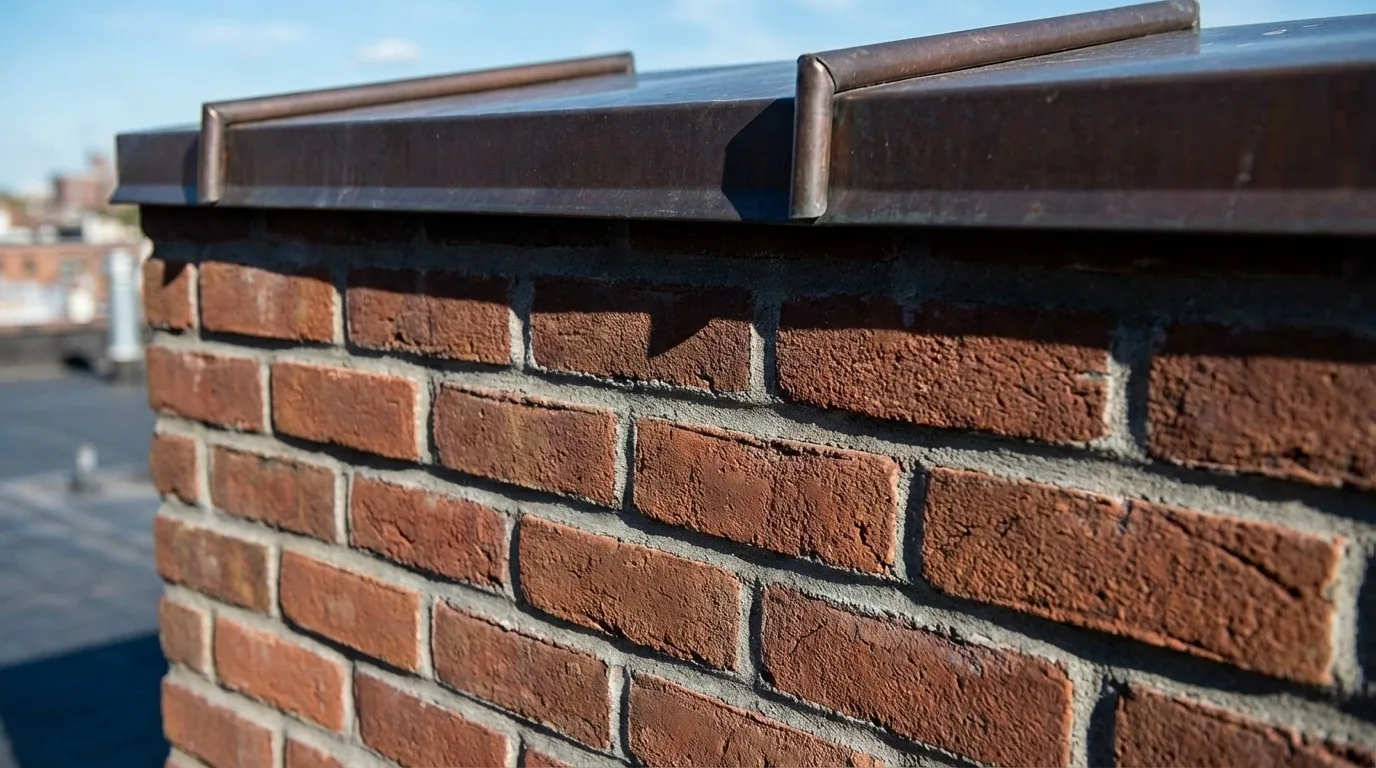

Fabricated metal lead time can control a Fairfield, CA perimeter repair even when the visible damage is small. The profile, attachment and adjoining roof connection need definition before a replacement piece is ordered. We inspect coping, edge metal and gutters, then identify substrate work and temporary protection that belong with the metal line item. The general contractor receives a scope that connects procurement to the roofing sequence rather than treating delivery as the only remaining task.
Historical heat matters to that investigation because metal and adjoining materials move as their temperatures change. Fairfield recorded 117 F on September 5, 2022, giving a specific local example of heat exposure without supplying a roof design value. NorthBay Health Medical Center is a local healthcare reference; access, support and overhead-protection requirements still come from the assigned property. The actual assigned building's access, substrate and use still establish the construction limits.
Inspect behind the profile
A replacement metal section depends on the backing and attachment concealed beneath it. We examine accessible fasteners, joints and the connection to the roof, then identify what removal is needed to confirm the substrate. A new profile attached to unsound backing can leave the same failure unresolved. The bid should state the visible findings and the concealed condition allowance separately, with a practical method for documenting changes after opening.
Our inspection of perimeter roof connections helps establish that basis before fabrication begins. The GC should provide detail drawings and previous modifications where available, so the review can identify differences between the intended and existing construction. A project in the NorthBay medical district requires its own access and interior coordination. The locality helps place the job, while the actual backing and attachment findings determine what the metal repair must include.
Resolve fabrication before removal
A visible shape can omit critical information about how a coping or edge component connects to the building. We review the measured profile, joints, fastening and roof tie-in before the permanent material is ordered. The submittal should show enough detail to coordinate those connections with the existing assembly. A material substitution needs review for fit and performance at the detail, not merely comparison of finish or purchase price.
Through commercial roof detail reconstruction, we coordinate the metal installation with the preparation beneath it. Fabrication, delivery and access become separate schedule tasks, and temporary protection is planned if removal must precede permanent material arrival. The GC can reduce unnecessary exposure by resolving those tasks early. Where concealed backing remains uncertain, the scope identifies the investigation needed and avoids ordering a detail that assumes the hidden construction is sound before it has been examined.
Connect the roof and metal
A watertight metal joint does not replace the connection between the roof membrane and the edge assembly. We inspect both parts and select a reconstruction suited to their materials and movement. Existing patches, deteriorated laps and damaged supporting layers can require removal before the new detail is assembled. The permanent scope needs to show those tasks so a metal-only line item does not leave an adjoining roof opening outside anyone's responsibility. Before fabrication, capture the existing profile, substrate edge, attachment access and every change in parapet or eave geometry. A run that looks uniform from grade may change at corners, expansion joints or equipment screens. Mark where new material meets retained coping, gutter, membrane and wall construction, then identify the proposed overlap and closure in a detail drawing. If the backing cannot be confirmed until removal, use a measured allowance with a documented approval step rather than order metal to an unverified dimension. This lets the GC coordinate shop drawings, field measurement and safe removal while keeping the weather boundary identifiable at each stage.
Our repairs to failed roof flashing include the adjoining weather surface and the base that supports it. For a standing seam roof perimeter, the actual joint and attachment arrangement governs how movement is accommodated. We review the assembly rather than assume all visible metal connects in the same way. The GC can then schedule the repair as a coordinated detail, with material preparation and fastening completed before the final exposed piece is treated as finished work.
Manage overhead access
Perimeter removal can affect walkways, entrances and service areas beneath it. We agree on restrictions and protected routes with the building contact before work starts, including where old metal and debris will be handled. A delivery planned during a busy entrance period can interrupt the building even when roofing production itself is short. The schedule should account for that access and handling, with the necessary personnel informed before lifting or removal begins.
For perimeter work at medical offices, the assigned property's operating arrangements can affect when those restrictions are practical. We also plan a secure stopping point for the exposed edge if conditions interrupt the repair. Temporary protection is a distinct task from permanent fastening and tie-in, and the GC should carry both where the sequence requires them. The roof opening should not depend on an unresolved delivery or another trade arriving later without a coordinated closure plan.
Include gutter connections
A leaking gutter can involve joints, attachment, slope or the connected outlet rather than the gutter field alone. We examine the accessible route and identify whether water is being retained or discharged where the building cannot tolerate it. A new section may require an adjoining outlet adjustment or another trade's piping work. Those dependencies need definition before the gutter quantity is accepted as the complete repair scope.
Our work at connected roof drainage outlets can be coordinated with the perimeter reconstruction, leaving the finished route accessible for inspection. Emergency assistance is available overnight and throughout weekends and holidays, with timing confirmed for the property and conditions. At closeout, we describe the repaired components and any separate maintenance need, so the owner knows what was corrected. A later drip should prompt a focused investigation of the actual route rather than an automatic assumption that the new metal profile failed.
Suisun City sits beside Suisun Marsh and has an Amtrak Capitol Corridor station. For a roof in Suisun City, we confirm the building entrance, material route and installation window with its operator before setting the edge-metal sequence.
Commercial Roofing Questions
Can metal fabrication begin from a photograph?
Use photographs for context, then establish dimensions, attachment and roof tie-in through the available drawings and inspection. A visible profile can hide a different backing or joint arrangement. We recommend resolving those details before ordering permanent pieces so fabrication matches the construction the repair must actually connect to.
What allowance belongs behind damaged coping?
Carry a defined allowance for concealed backing only where inspection cannot settle its condition. State the assumed extent and how additional damage will be documented. We can identify accessible findings first, reducing the uncertainty and keeping predictable substrate work from disappearing inside a vague metal line item.
Will replacing the gutter section fix every leak below it?
Examine the joints, outlet and discharge route as well as the field section. Retained water or a connected piping defect can continue the symptom after replacement. We recommend pricing the responsible components and coordinating the adjoining work before treating the new gutter section as the entire correction.
Why include roof membrane work in a metal repair?
The perimeter needs a reliable connection between the weather surface and the metal detail. Damaged laps or incompatible old patches can prevent that connection even if the new metal fits. We inspect the adjoining roof and define preparation or reconstruction as part of the permanent scope.
How should entrance restrictions be scheduled?
Confirm the protected route and permitted work period with the building operator before removal or lifting. The scope should include debris handling and a secure stopping boundary for the exposed edge. We recommend resolving those arrangements alongside procurement so access does not become an unexpected delay after materials arrive.
Related Roofing Work
Send the roof scope early
Send the Fairfield perimeter drawings, measured details and entrance restrictions before ordering metal. We will define fabrication, backing and roof tie-ins so the repair price and schedule describe the full connection.