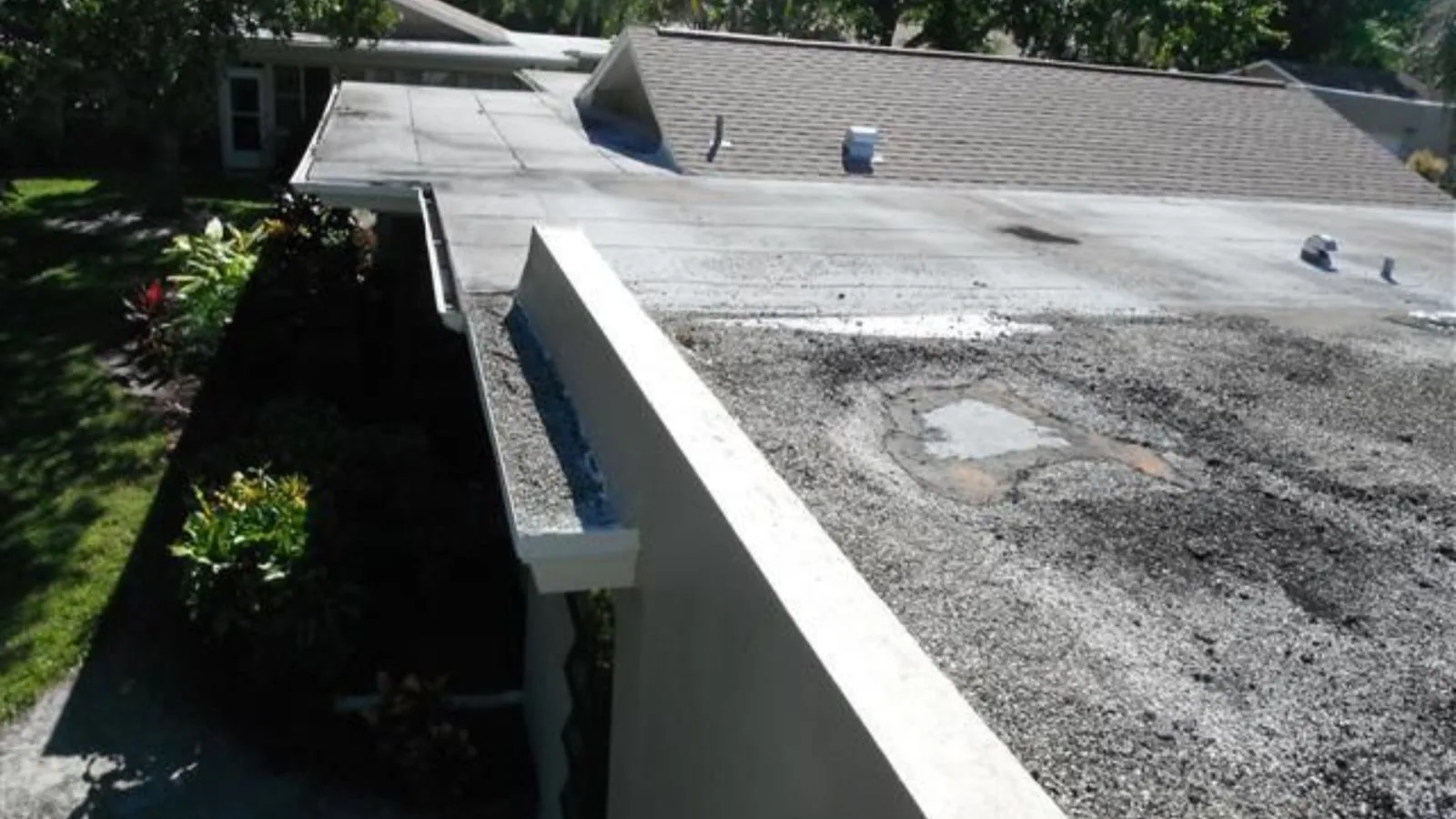

A drain-cleaning allowance will not price a roof correction that needs rebuilt falls or a different outlet connection. We assess ponding water on commercial roofs in Fairfield, CA, so a general contractor can identify which construction task belongs in the bid. The examination compares the water-holding area with the drain, supporting layers and adjoining details. That establishes whether the next decision concerns debris removal, a local repair, revised roof geometry or a downstream piping issue requiring another trade.
For a proposed office assignment near the Solano County Administrator's Office, Downtown Fairfield, the actual property contact must establish access and any work restrictions above occupied rooms. We relate those instructions to the area where investigation or removal is proposed. A drainage task needs that coordination even when its initial quantity looks small, because opening an outlet connection can change the protection required below it.
The water boundary needs examination
A photograph of standing water identifies a condition to examine, but its outline alone does not establish the cause. We compare the roof elevations, nearby outlets and the route available for water to leave the area. The visit also checks whether debris or an obstructed opening restricts that route. The general contractor can then distinguish an accessible maintenance task from a construction change that needs more information before pricing.
Assessment of roof drains and scuppers includes the visible roof connection and the responsibility boundary with downstream piping. We identify when the plumbing side requires a qualified examination. That keeps the roofing proposal focused on the work it can establish while giving the contractor a specific outside-trade task to coordinate, instead of carrying an undefined drainage correction under the membrane quantity.
A low area changes the supporting layers
A local depression may require different work from a blocked drain. We examine the available elevation information and the layers supporting the surface before proposing a correction. A tapered insulation arrangement may be suitable for a defined area, but the receiving construction, outlet levels and transition heights must support it. Those details affect preparation and material quantities, so the proposed geometry should be resolved before the field covering is priced as the complete task.
Work at adjoining flashing transitions may become necessary where a revised surface elevation changes the usable detail height. We identify that interface and the construction needed to connect it. The contractor can then include the affected wall or curb task with the drainage proposal. A price for new slope should not leave its edge connections outside the scope when they must be rebuilt for the selected arrangement.
Surface water differs from concealed moisture
A roof that holds water may also need investigation of material beneath the membrane, but standing water does not identify that concealed boundary by itself. We assess indications of entry and the assembly information, then propose appropriate examination where retention depends on the result. The bid should distinguish the visible drainage correction from removal of confirmed wet or unsound material. Those are related decisions with different evidence and preparation requirements.
Thermal screening for targeted moisture investigation can assist under suitable conditions, with confirmation appropriate to the assembly and the decision being made. We explain the screening limitations and the authorized openings that may follow. The general contractor can schedule investigation and compatible closure before fixing the removal quantity, rather than convert the water outline or a thermal image directly into the scope.
The retained connections need attention
Water collecting near a membrane lap can make an existing defect part of the repair decision. We examine the connection and surrounding material instead of assuming that correcting roof falls alone will restore a damaged seam. A separated membrane lap needs preparation appropriate to the identified system and a receiving surface capable of accepting the repair. The bid can then distinguish work at the defect from the construction used to improve water movement.
Equipment supports or traffic protection can also affect the surface route. We identify obstructions within the proposed correction and review whether their position or detail needs coordination. A material delivery should follow that examination, because the selected slope or repair arrangement may change when an existing component cannot remain in its present position. The contractor needs the equipment responsibility identified before the roof boundary is opened.
The drainage task has an exposure period
Near NorthBay Health Medical Center in Fairfield, a healthcare roof assignment would need the relevant operator to identify protection requirements for spaces beneath an outlet or proposed removal area. We explain where the roofing work will expose the assembly and how daily closure can be achieved. That gives the general contractor a specific coordination question before an occupied-space release is placed in the construction schedule.
For roofing in the medical area around NorthBay, the actual building's access route and permitted material movement belong with the scope. A drain detail and a wider low-area reconstruction may require different exposure and delivery arrangements. We retain those distinctions in the pricing discussion, so the schedule follows the construction needed rather than assuming every drainage task can fit the same brief service visit.
The correction needs a stated result
A proposed drainage correction should identify the outlet, revised surface route and completed connections it includes. We compare the new work with adjoining retained construction and identify remaining concerns outside the boundary. Written findings for the examined drainage area preserve the evidence supporting the recommendation. The contractor can use them to compare proposals that reach the same construction endpoint instead of comparing an outlet cleaning number with a slope-rebuilding number.
After work, the closeout record should show the installed area and any authorized changes from the proposed arrangement. We retain relevant photographs and the material information needed for future compatible repair. Maintenance instructions should keep outlets and water routes accessible for later checking. A recorded drainage correction remains a defined roofing task, with downstream or structural questions assigned to the appropriate discipline where they remain unresolved.
Commercial Roofing Questions
What separates drain cleaning from a priced slope correction?
Establish the cause and the affected construction before comparing the allowances. We examine debris, outlet condition and the surface route. Cleaning addresses an obstruction, while rebuilding geometry can change insulation and transition details. The bid should describe the task and completed connection that each option includes.
Can the water outline define the insulation removal quantity?
Investigate concealed material where its condition changes the retention decision. Surface water does not establish a wet-insulation boundary. We identify suitable testing or authorized openings and their closure, so the contractor can resolve the removal quantity from findings rather than treat a puddle photograph as the full scope.
What must be checked before tapered insulation is ordered?
Review the receiving construction, outlet elevations and available transition heights. We explain the preparation and detail changes needed for the proposed surface route. Procurement should follow those decisions, because a slope layout that cannot connect to the retained walls or curbs is an incomplete roofing proposal.
Who handles a blockage beyond the roof outlet?
Assign the downstream examination to the relevant qualified trade. We identify the roofing connection and its observed condition, then coordinate the interface with that separate task. The contractor can retain both responsibilities in the sequence without assuming that membrane work will correct a piping problem.
Should seam repair wait until the drainage work is finished?
Coordinate the identified defect with the proposed reconstruction. We assess the material and preparation needed for its permanent connection, including temporary protection where appropriate. The schedule should preserve that correction as a defined task rather than assume improved water movement will repair an already damaged lap.
Related Roofing Work
Send the marked water area and the available roof section
Share the roof drawing, outlet locations and reported drainage concern. We will identify the examination and construction decisions needed to define a useful correction scope.