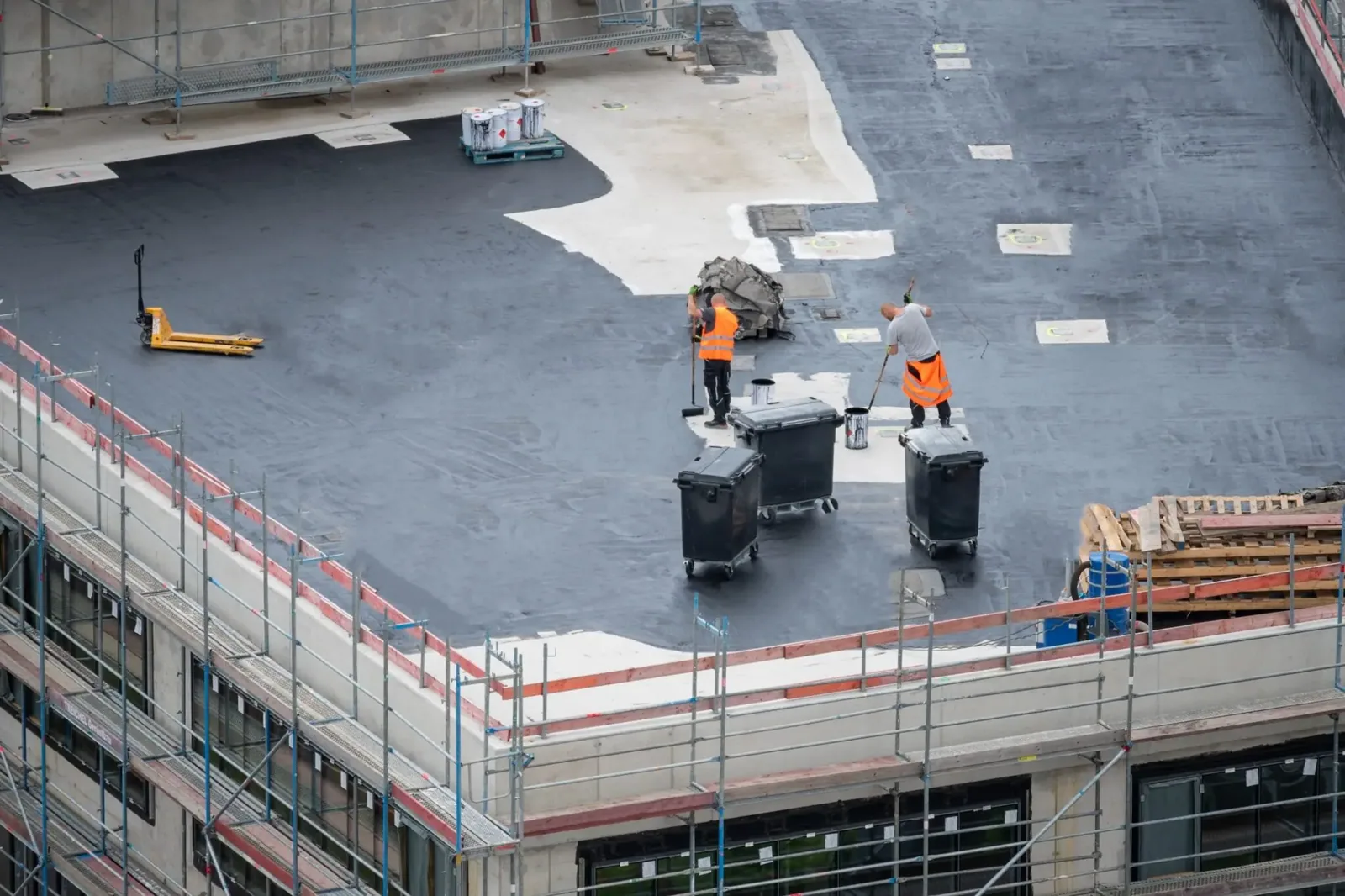

A repair allowance becomes difficult to control when the bid never identifies the detail being rebuilt. Commercial roof repair in Fairfield, CA, should separate a surface patch, a failed seam and a curb connection because their preparation, removal and closure tasks differ. We examine the accessible roof and define the repair boundary before attaching quantities to it. Send the marked problem areas and available assembly records early, so the general contractor can carry a known base scope and a clear method for handling concealed damage.
Access cost needs the actual property instructions. Near NorthBay Health Medical Center in Fairfield, a proposed repair visit would begin with the assigned operator and the affected room. Give us the approved roof route and occupied-space restrictions with the request for pricing. We assess the setup, debris handling and protection required for the specific correction, so the general contractor can coordinate a defined release without leaving construction access unresolved until the crew arrives.
Detail quantities need boundaries
Detail quantities should describe the permanent work rather than simply count visible marks. A seam opening can require cleaning and preparation beyond the apparent split, while flashing reconstruction may require removal of a loose termination. We identify that extent with the roof findings. A defined seam repair can use a measured length where suitable, but its scope still needs the material and supporting condition. Include those boundaries in the bid so similar quantities describe similar preparation and finished connections.
Concealed moisture changes the quantity basis when an opening reveals wet insulation. The repair may need replacement layers rather than a surface closure alone. We describe the investigation and the proposed method for approving additional removal before that task begins. The contractor should identify what an allowance or unit price includes, including disposal and tie-in. That lets the owner compare the measured permanent repair with its budget instead of assuming the visible puncture defines every layer that needs attention below it.
Compatibility controls the patch
Material identification controls preparation and joining. A PVC repair connection differs from a repair to rubber or asphaltic roofing, and aged material may need investigation before it can support a reliable tie-in. We identify the existing membrane and assess surrounding condition rather than prescribe a generic patch. Send previous repair records where available and include any required project review. A named repair material should answer compatibility and installation questions, not merely make a broad patch allowance look more specific.
Wall flashing work includes attachment and movement as well as exposed sealant. A loose termination can continue separating beneath a new surface layer, so we examine the actual connection before pricing reconstruction of failed flashing. Provide accessible detail drawings and identify any wall finish that another trade must remove or restore. Those interfaces can change labor and schedule without increasing the roof field area. The bid should make the trade boundary clear before the roof connection is opened beside an occupied room.
Setup carries fixed work
Mobilization and protection can remain substantial even for a limited repair. Access equipment, material handling and preparation must be provided before the first connection is rebuilt. We assess those tasks from the assigned property and proposed work boundary. Combining confirmed repair items into an authorized visit may reduce repeated setup, but the available access and material requirements still need review. Show the setup separately where useful, so the contractor can evaluate the effect of adding or deferring a detail without assuming every unit has the same fixed burden.
Occupied-area release can restrict the repair sequence. A work zone above a corridor may need different protection from one above a vacant room, and the operator decides those access limits. For roofing in the NorthBay medical district, establish the assigned manager and actual release conditions early. We describe the overhead task and debris route so the contractor can coordinate the interior arrangements. The price then follows the agreed repair zone rather than an expectation that any accessible roof area is available for construction.
Closure needs suitable conditions
Heat affects the daily application decision through the selected material’s requirements and measured conditions. The Fairfield city record reached 117 F on September 5, 2022; that historical reading supports preparation for hot workdays without assigning a temperature to the project roof. We examine surface and ambient conditions before permanent application and explain which tasks remain practical. Keep the repair release flexible enough to distinguish preparation from adhesion, instead of assuming a morning site entry commits every material to installation that afternoon.
Temporary closure and permanent correction can require separate visits when the assembly remains uncertain or conditions prevent the intended detail. We explain the interim task and the investigation remaining for the permanent leak repair. Emergencies can be reported through nights, weekends and holidays, with response options established from actual access and exposure. Carry any follow-up task in the schedule before interior completion, so a reduction in dripping does not substitute for finishing the defined roof connection and addressing wet layers.
The endpoint guides comparison
A repair comparison needs the extent of observed failure and the condition left around the proposed connection. Isolated damage with sound supporting material may allow a narrow scope, while multiple failing areas can justify a replacement comparison. We explain the findings behind either option. Give the owner the scope and remaining concerns together, so a repair intended to correct one detail is not priced or presented as a conclusion that the rest of the unexamined assembly is serviceable.
Follow-up work adds value when it addresses a recorded concern rather than repeats an undefined inspection. Written roof findings can preserve the completed repairs, concealed-condition questions and details needing later attention. We discuss those records during pricing so their scope is clear. Place the appropriate review after permanent closure and coordinate interior tasks separately. The contractor then has a handoff that identifies the completed endpoint and any deferred work without turning a routine visit into an assumed full-roof acceptance.
For a separate repair assignment in Downtown Fairfield, the contact still needs to release the building, roof area and affected rooms.
Commercial Roofing Questions
How can a repair allowance become a priced scope?
Arrange examination of the marked areas and identify the required permanent endpoints. We separate known detail quantities from concealed-condition work, then describe an approval and measurement method for changes. The allowance can be revised from findings rather than converted into a lump sum that still hides the unknown assembly.
Should several repair details share one mobilization?
Combine them where access, compatible materials and authorized work periods support the same visit. We assess the setup and protection needed for the grouped scope. Some details may require equipment coordination or different preparation, so grouping should follow the work requirements rather than a count of visible defects alone.
What should a flashing repair say about other trades?
Identify wall access, equipment release and finish restoration before the connection is opened. We describe the roofing boundary and closure, while the contractor coordinates work outside it. Clear responsibilities prevent an exposed detail from waiting on an omitted wall or mechanical task.
Can repair findings support an existing warranty review?
Obtain the actual warranty documents and identify any notice or repair requirements before the work is committed. We record the material and connection work for that review. A repair proposal should not promise that coverage remains unchanged without the terms and the responsible issuer’s requirements being resolved.
When should replacement be priced beside repair?
Request the comparison when investigation finds broad moisture or recurring failure beyond a reliable localized boundary. We identify the condition supporting that recommendation and distinguish it from unexamined areas. The owner can then compare permanent endpoints instead of judging replacement from one recurring ceiling complaint.
Related Roofing Work
Send the marked repair areas
Send the roof plan, available assembly records and authorized access limits. We will define the repair quantities, setup and concealed-condition assumptions for the bid.