
Which assembly belongs in a Fairfield, CA roofing bid when several systems appear suitable? Compare the supporting roof condition and the proposed detail work before selecting a material. We install and repair membrane, metal, foam and coating assemblies. Their preparations differ, and a product name alone cannot define insulation retention, attachment or drainage correction. The contractor can provide the proposed scope and existing records so we can identify the technical questions that change the system decision.
Explore Roof Systems
-
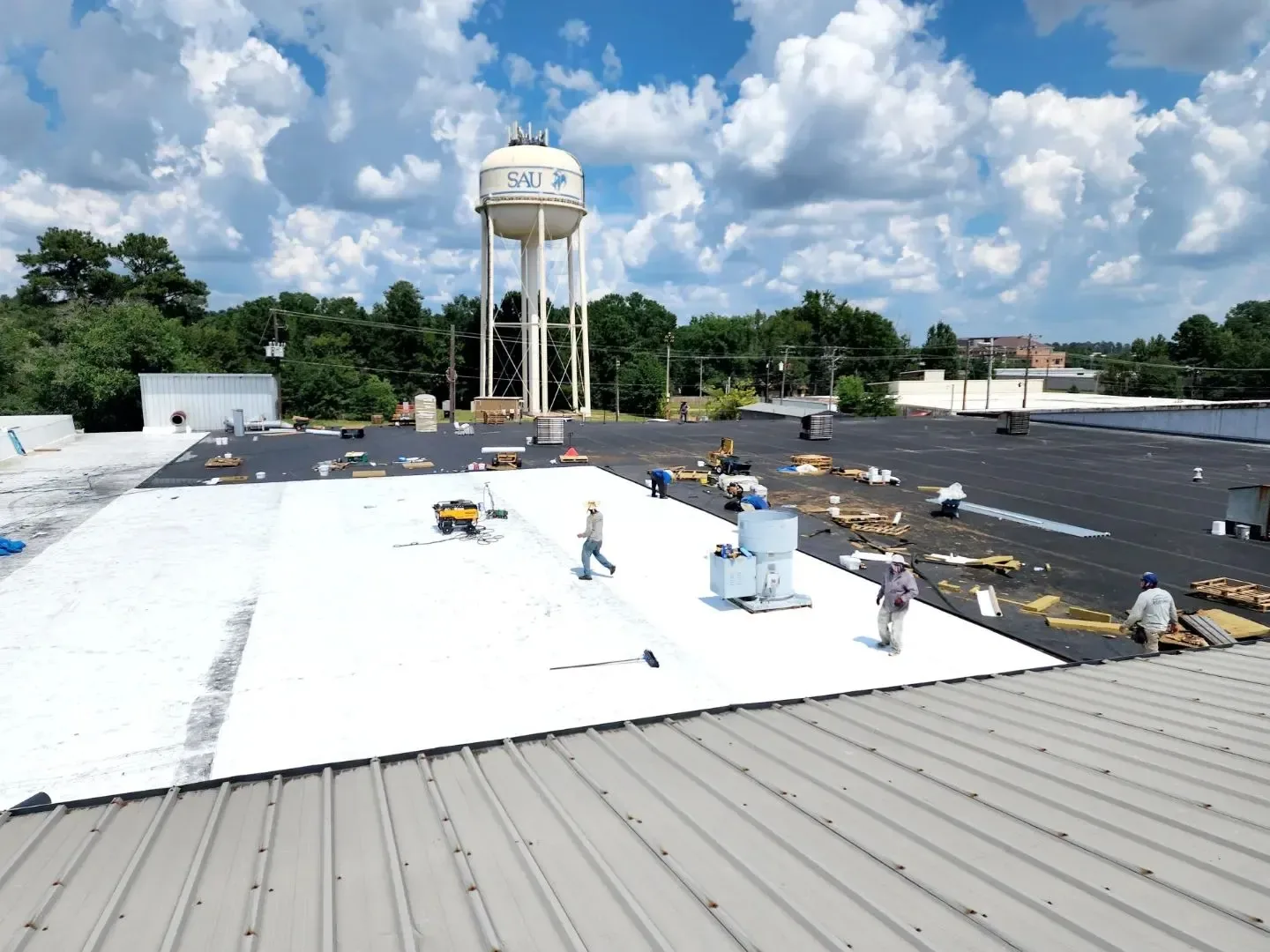
TPO Roofing
Fairfield TPO roofing bids define substrate, attachment, welded details, and inspection requirements before procurement and occupied-building work begins. -
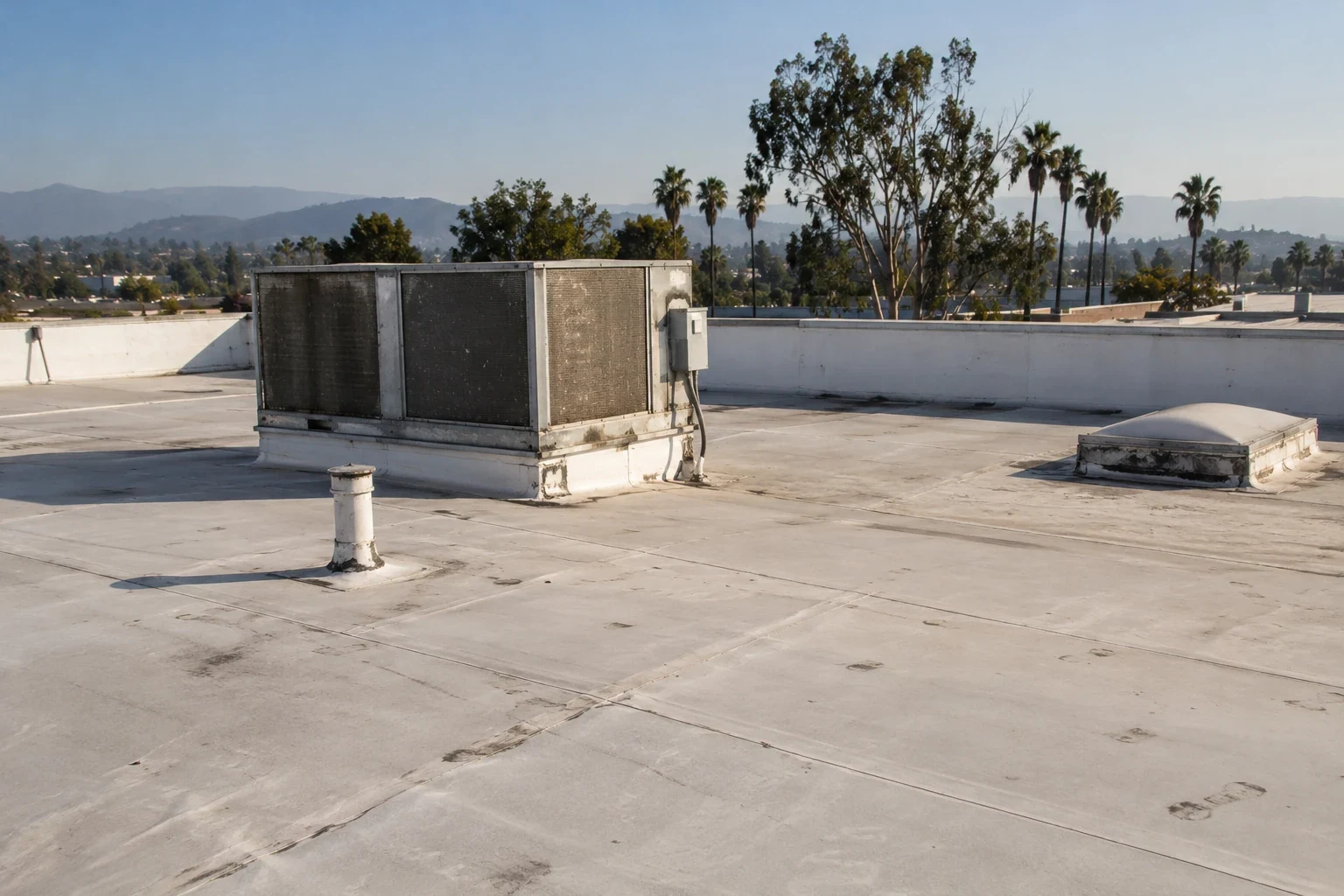
PVC Roofing
Fairfield PVC roofing scopes address compatible detailing, substrate repairs, attachment, and application checks so bids describe the complete roof assembly. -
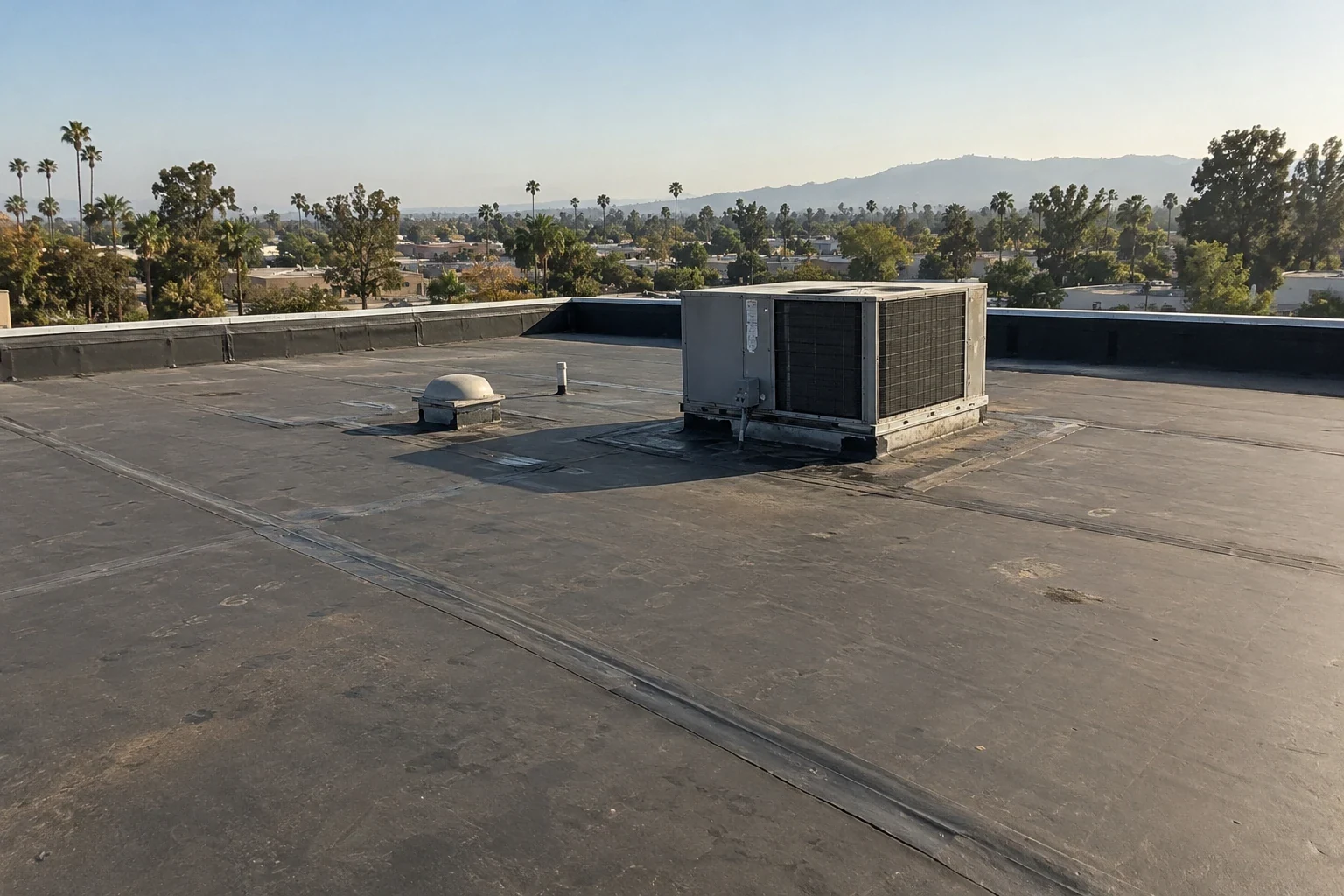
EPDM Roofing
Fairfield EPDM roofing work defines seam methods, substrate repairs, and attachment so procurement and occupied-building staging follow a complete assembly. -
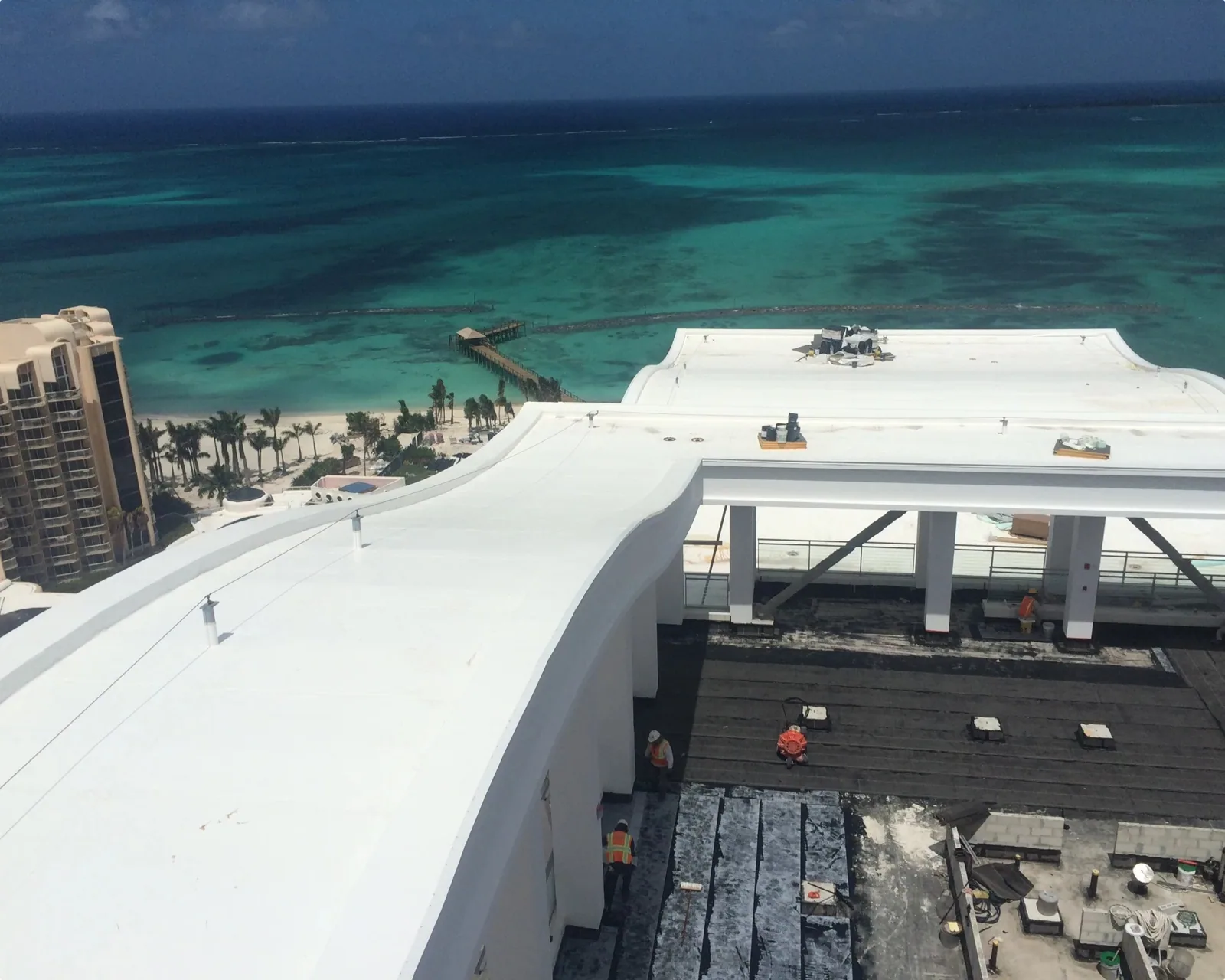
KEE Roofing
Fairfield KEE roofing scopes examine the specified membrane, exposure, and accessories before pricing compatible details, attachment, and supporting layers. -
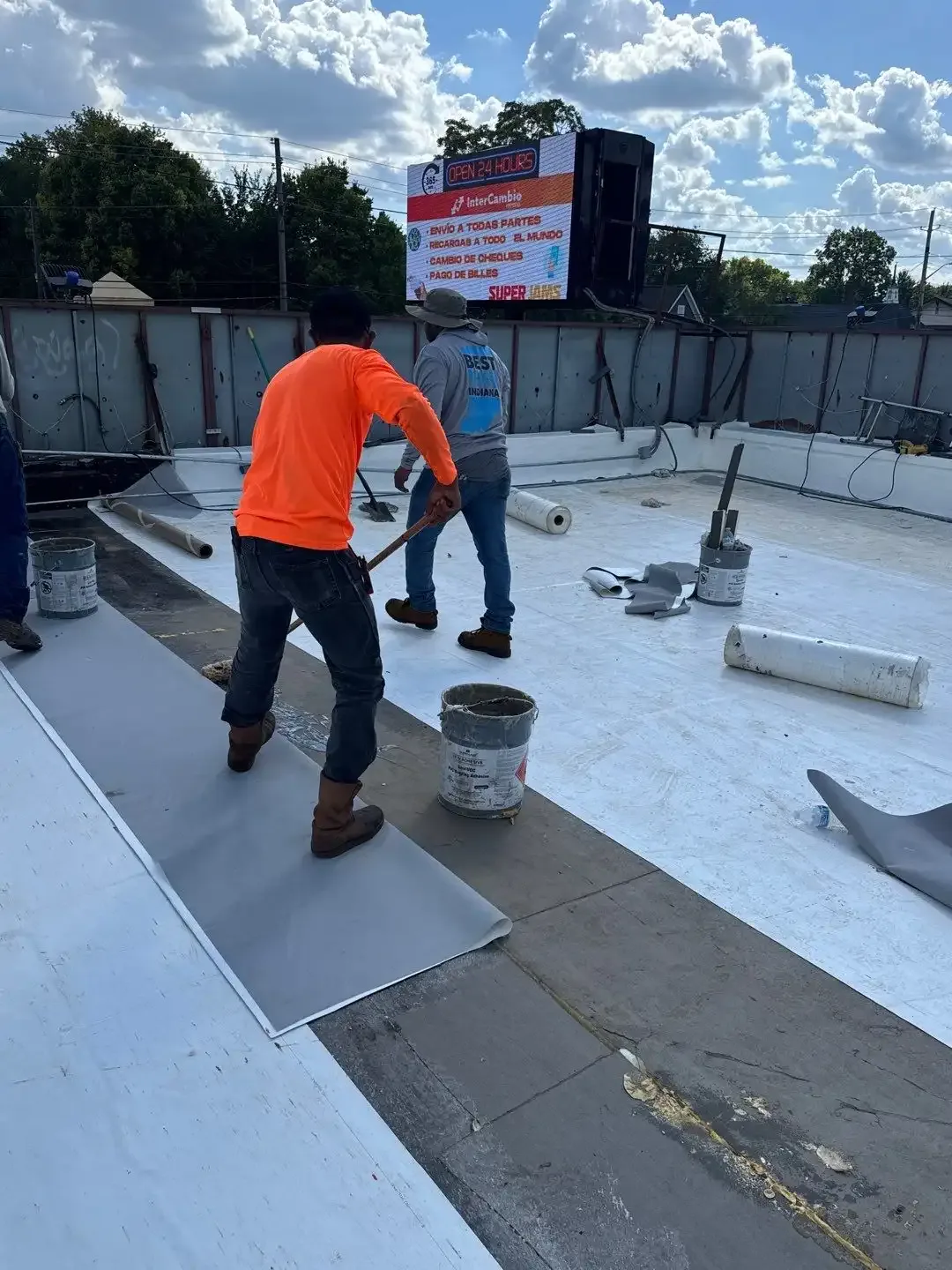
Modified Bitumen Roofing
Fairfield modified bitumen work defines membrane layers, application method, and flashing repairs before setting preparation, access, and closure tasks. -
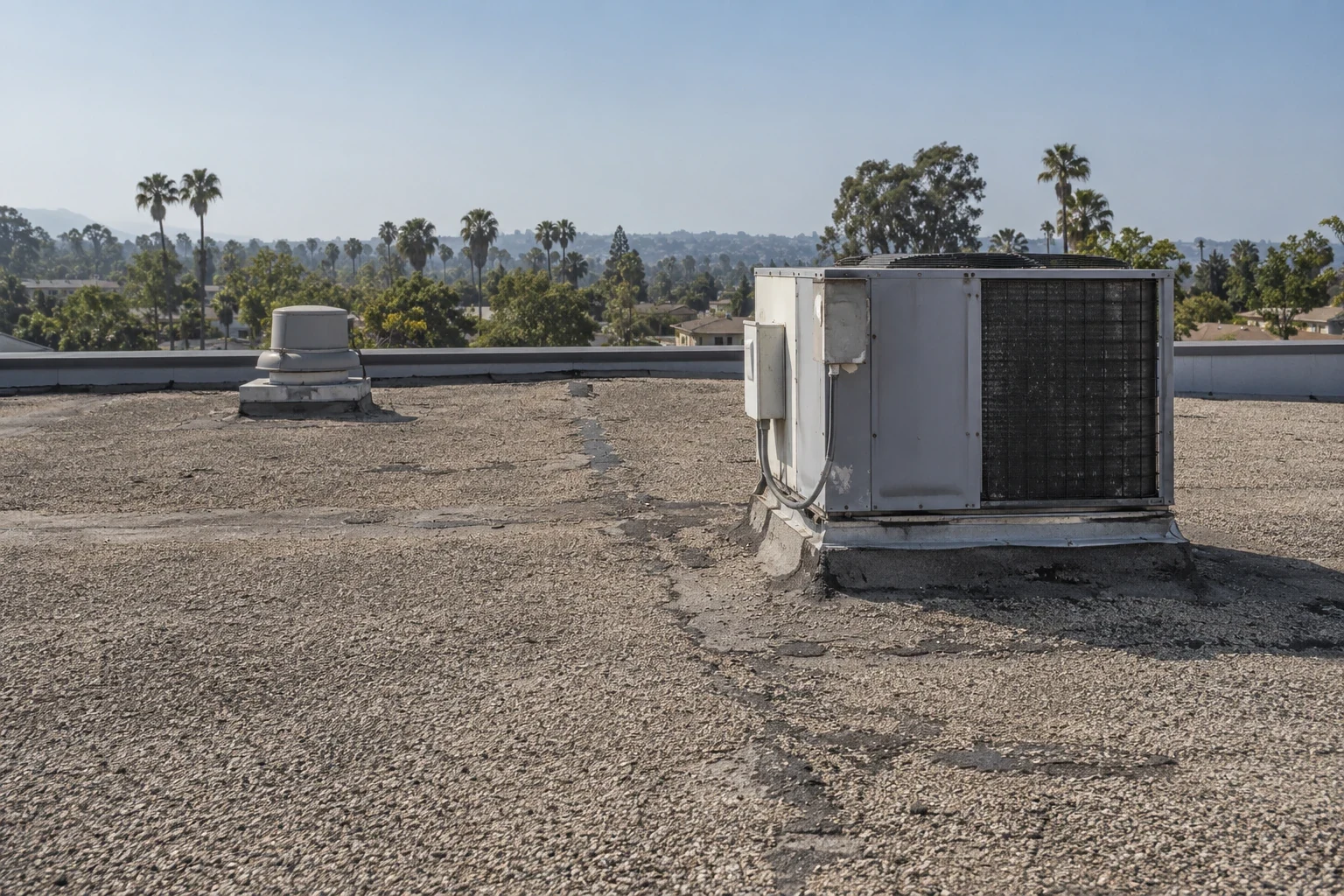
Built-Up Roofing
Fairfield built-up roofing scopes define plies, supporting layers, application requirements, and detail work so removal and daily closure can be scheduled. -
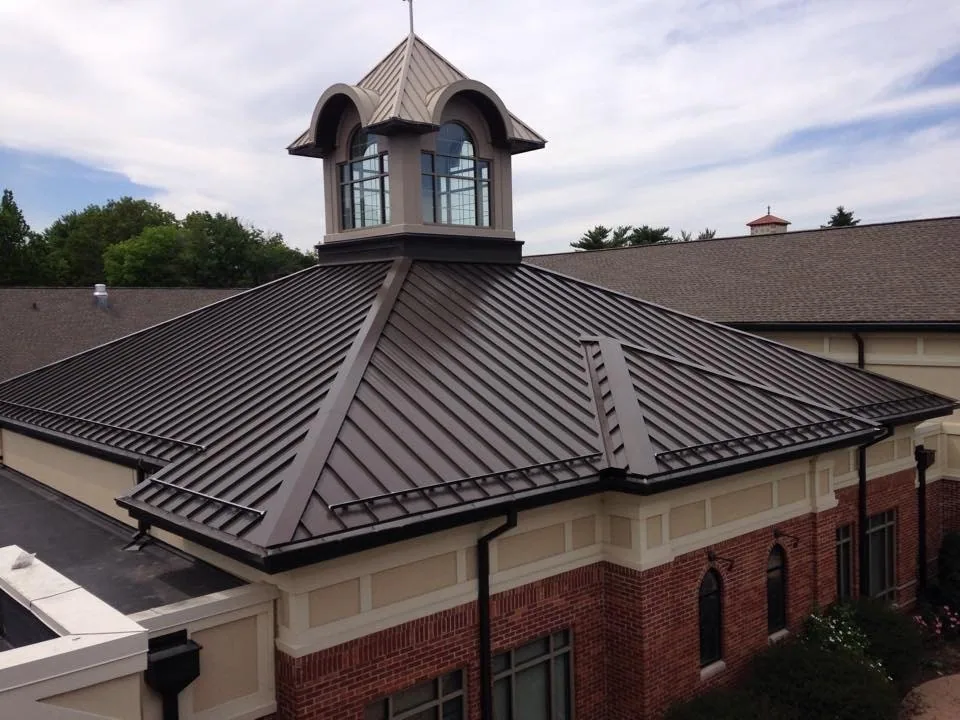
Standing Seam Metal Roofing
Fairfield standing seam metal scopes define panel joints, attachment, movement, and flashings before fabrication and occupied-building installation proceeds. -
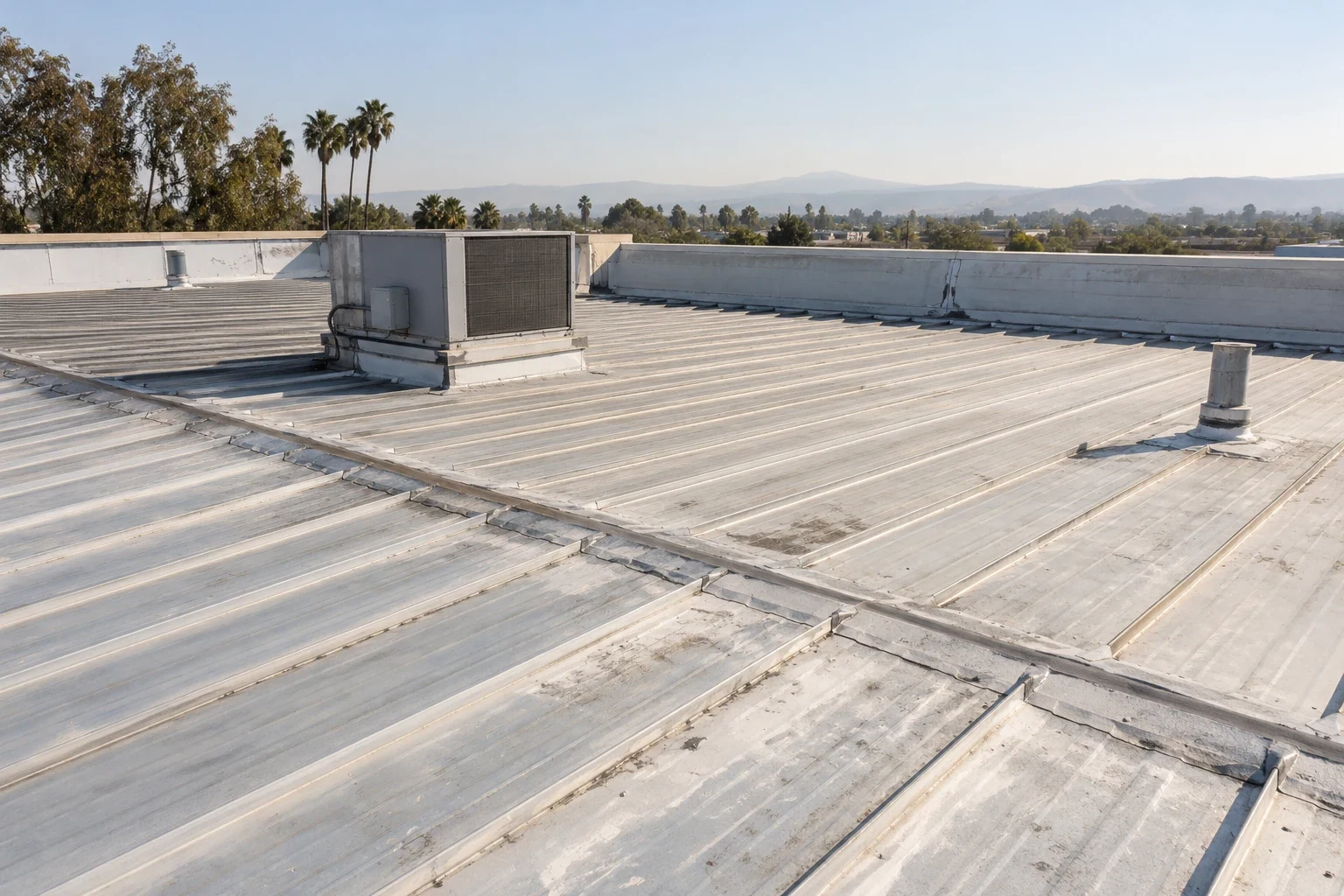
Metal Roof Retrofit
Fairfield metal roof retrofit planning evaluates retained panels, structural support, new attachment, and drainage before defining a complete construction bid. -
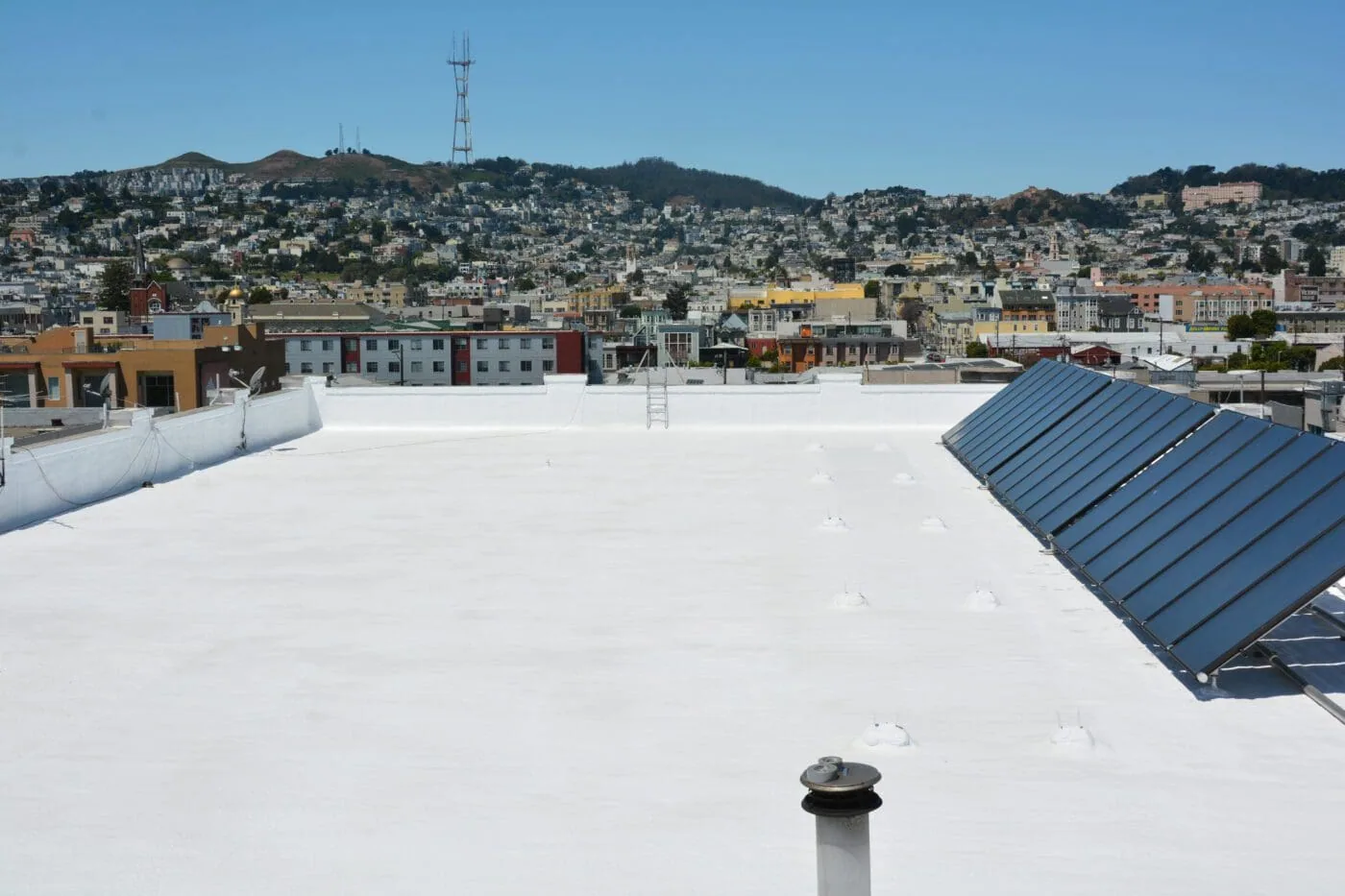
Spray Polyurethane Foam Roofing
Fairfield spray foam roofing scopes establish substrate, thickness design, protective coating, and application controls before the GC schedules preparation. -
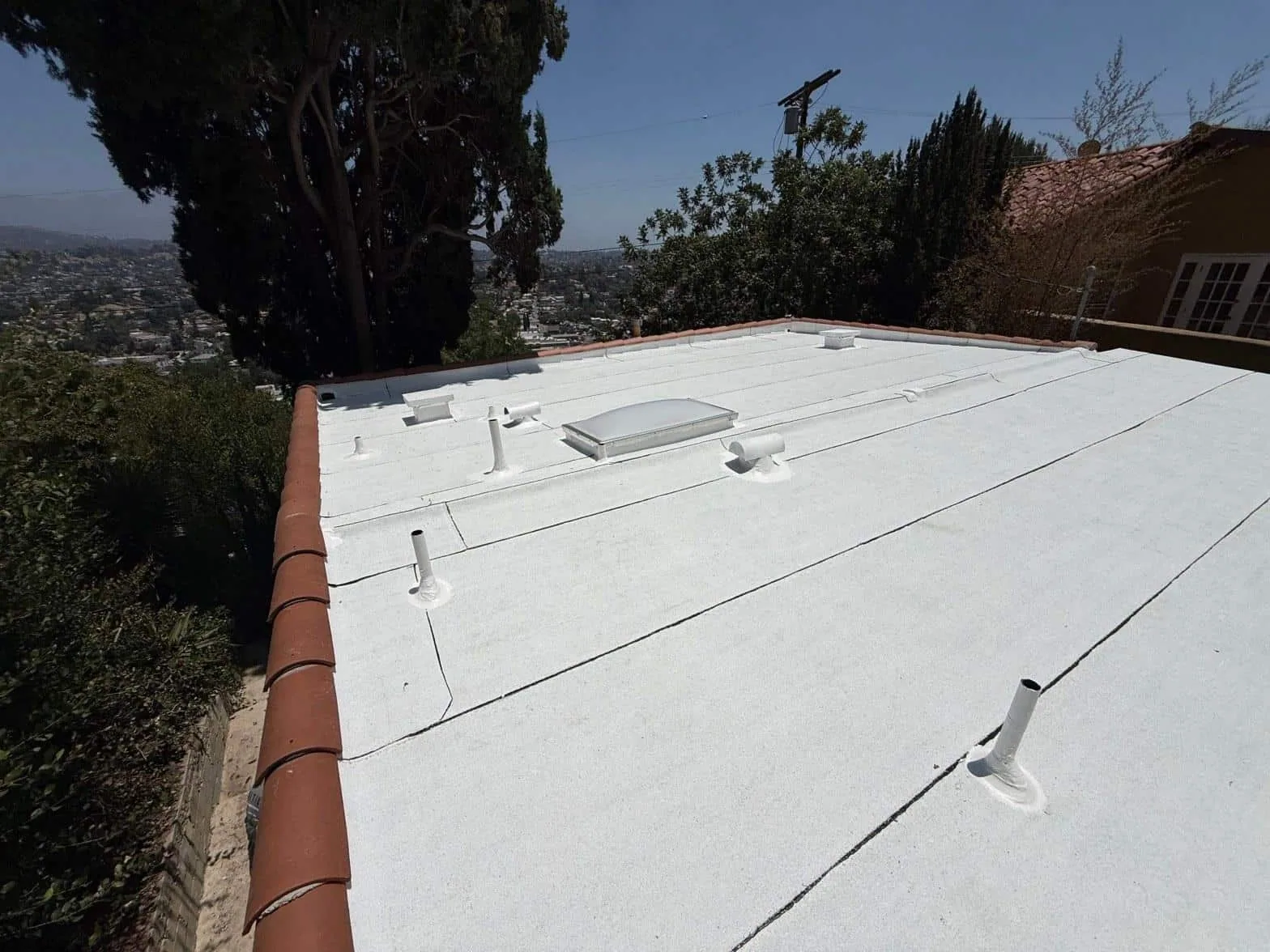
Silicone Roof Coating Systems
Fairfield silicone coating scopes define substrate suitability, detail repairs, adhesion preparation, and curing requirements before application is priced. -
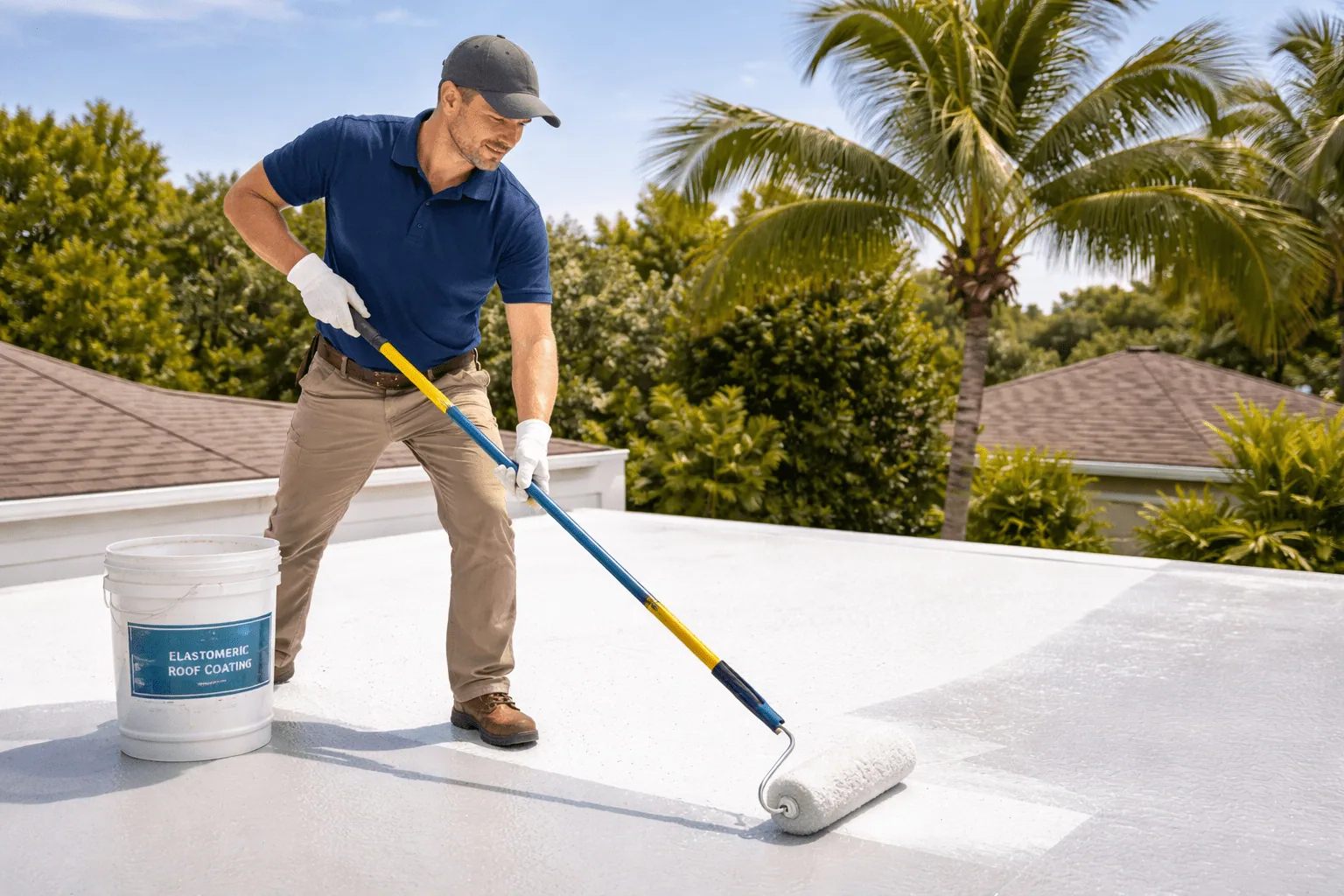
Acrylic Roof Coatings
Fairfield acrylic coating work defines surface repairs, product requirements, and drying time so the GC can compare complete restoration and application scopes.
Connections need compatibility
TPO roofing and PVC assemblies require system appropriate materials and preparation at repairs and transitions. We confirm what is installed before defining the connection. The contractor should identify proposed penetrations during submittal review so their flashing is included with the field material decision. This keeps a new curb or wall interface from becoming an unpriced dependency after the covering has already been procured.
Retained layers affect preparation
With modified bitumen work, the condition and attachment of existing layers can change how much must be removed. Standing seam metal work introduces different panel, movement and transition questions. We assess those conditions and explain the supporting work needed for each practical choice. Carry the preparation in the bid alongside the covering, rather than comparing material costs while leaving their required substrates undefined.
Heat informs the examination
Fairfield reached 117 degrees Fahrenheit on September 5, 2022. That historical air temperature gives a local reason to examine exposed surface condition without assuming a particular roof failed. For proposed work near NorthBay Health Medical Center in Fairfield, access and room protection need their own operator review. We coordinate those questions with an inspection of the existing assembly before the contractor selects a retained material strategy.
The system follows the findings
Silicone coating work requires suitable preparation and a retained assembly that can support restoration. Recover planning likewise depends on moisture, attachment and existing layers. We explain where the findings support either choice. A project in the NorthBay medical district receives an individual construction sequence, with material release following the scope decision and access coordination instead of an assumption about nearby roof construction.
Selection depends on the inspected assembly, intended use and approved system details. Compare compatible components, attachment and edge transitions at the building rather than choose by membrane name alone; unresolved substrate conditions should remain explicit before materials are released.
Commercial Roofing Questions
Can materials be substituted without reviewing details?
Compare the proposed connections and preparation with the specified assembly. We identify the roofing changes a substitution would require before it enters procurement.
Should coating and membrane alternates share a removal allowance?
Define retention requirements separately. We examine moisture and supporting condition so each alternate includes the work needed for its own preparation.
Does air temperature identify surface damage?
Inspect the roof directly. Historical heat is context for the examination, while material condition and attachment determine the repair or replacement recommendation.
What information helps choose a system?
Send drawings, existing assembly records and proposed equipment changes. We use those inputs with current observations to define compatible materials and detail work.
Send the assembly information
Share the specified system and the retained roof records before material release. We compare preparation and interfaces so your bid accounts for the assembly that can be built.