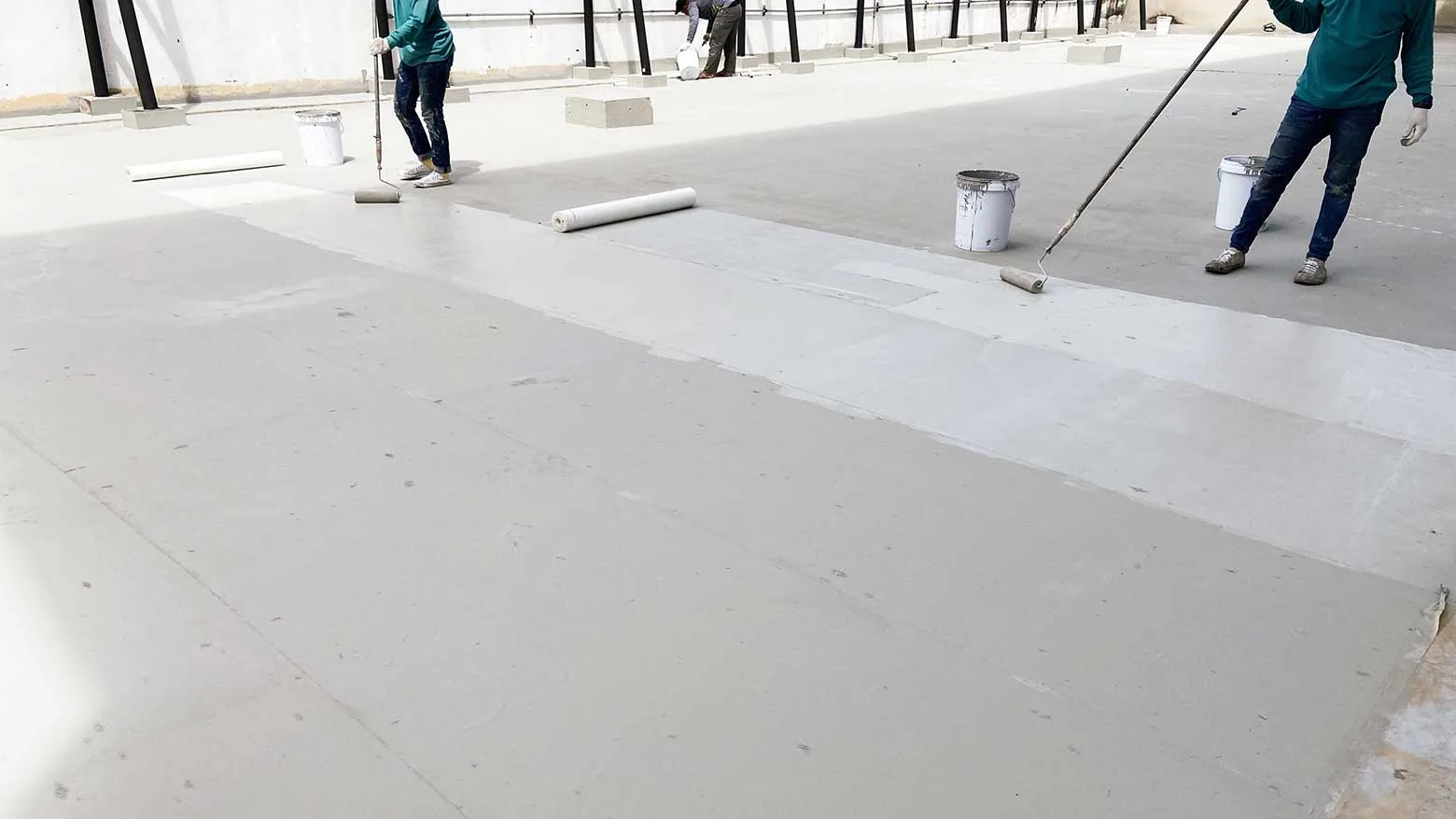

Leak investigation consumes schedule time before a permanent repair quantity can be established. Commercial roof leak repair in Fairfield, CA, starts by distinguishing the interior symptom from the roof entry, because water can travel within the assembly before reaching a ceiling. We compare the complaint with accessible connections and explain the next investigation task. Price the search and the permanent correction separately where the cause remains uncertain, so the general contractor can obtain a defined repair rather than approve several speculative patches under one allowance.
The building reference should be precise enough to connect the complaint with the correct structure. NorthBay Health Medical Center is a hospital in Fairfield, but a roofing assignment at a healthcare property still needs its own building, affected room and authorized contact. For an assigned building, share the affected room and roof plan so we can assess the actual leak source. Send the actual room locations and available roof plan with the leak request, then identify who can release inspection above occupied areas and coordinate the interior response.
Investigation needs a boundary
Investigation time grows when access or assembly differences prevent a direct comparison between the ceiling mark and roof details. We examine visible seams, penetrations and drainage, then identify which concealed questions remain. A recorded rain or equipment-use pattern can help narrow that task, but it does not prove the entry by itself. Provide dates and locations with the initial request so investigation can follow useful clues. The bid should state the accessible areas and additional checks considered before describing an unresolved leak as a known detail failure.
Controlled testing can require protection and a defined stopping condition. Water introduced during a test can increase interior exposure, so its use needs a suitable plan rather than an automatic allowance. We explain the proposed test area, coordination and closure before proceeding. An infrared investigation of suspected wet layers may also guide confirmation under suitable conditions. The contractor should distinguish what each method can establish, so a thermal pattern or a test response does not become a claim about every unexamined roof layer.
The entry guides the repair
A roof opening at a wall can require different work from a failed pipe collar or membrane seam. The cost follows preparation, supporting condition and the connection being rebuilt. We identify those tasks before selecting material. Repair of damaged wall flashing may need attachment work beyond the visible gap, while a small field opening can require examination of wet insulation beneath it. Include the established repair boundary in the scope so the price does not assume that covering the apparent opening corrects the entire assembly.
Equipment drainage adds a trade question when water appears during cooling operation rather than rainfall. We inspect accessible roof flashing and discharge paths, then distinguish a roofing defect from a mechanical fault needing its own follow-up. The contractor should identify the equipment contact before the investigation visit. A condensate obstruction cannot be resolved by an unrelated membrane patch, and a unit beside the stain does not prove that the roof connection is sound. We record the findings so each trade receives the task relevant to its actual system.
Temporary closure leaves follow-up
Active water entry may require interim protection before the permanent connection can be rebuilt. Feasibility depends on access, safe conditions and the material available for closure. We discuss those constraints and the remaining task rather than promise that any leak can be stopped during rain. Urgent roof protection is available for assessment through nights, weekends and holidays. Carry its scope separately from permanent work so the owner can identify what limits current exposure and what still needs investigation or suitable application conditions.
Wet insulation can keep the permanent scope open after visible dripping slows. We identify the assembly checks needed before setting removal boundaries and describe the supporting material the finished repair will use. Interior drying and finish replacement also require their own assessment and release. The general contractor should coordinate those tasks rather than schedule ceiling closure solely from the disappearance of a drip. Roof closure addresses the exterior connection, while concealed roof moisture and interior materials may still need separate action before their parts of the project are complete.
Materials have application limits
Hot conditions can change the suitable timing for permanent material application. Fairfield recorded 117 F on September 5, 2022, a city heat observation that supports planning without identifying the temperature or condition of the project roof. We examine actual application conditions and the selected material’s requirements. Build room into the day plan for preparation and closure decisions rather than assume that an access release permits unrestricted adhesion work. A permanent detail needs the appropriate supporting surface as well as the correctly identified repair material.
Drainage correction can be another dependency where water is held against the failed detail. Work on the roof outlet connection may differ from clearing an obstruction or rebuilding a low area. We examine the flow route and state which condition the repair addresses. Include those tasks separately where the scope extends beyond the leak entry. That gives the contractor a comparison between the immediate correction and any additional construction needed to reduce repeated water concentration at the same connection.
Handoffs need stated findings
Record preparation adds a defined closeout task when the owner needs dates, locations and repair findings for a claim or project file. We can document visible damage and completed work without assigning an unproven event as the cause. Roof documentation for an insurance claim should remain separate from an insurer’s coverage decision. Identify the required records during pricing, so the contractor knows which roofing findings will be supplied and which interior or coverage questions need the responsible professional’s review.
Assigned access can affect the follow-up schedule at an occupied property. For work in the NorthBay medical district, establish the actual operator and released roof area before the visit. A hospital roofing task can require coordination of overhead activity with the assigned interior space, but its use alone does not describe the construction. We explain the proposed repair boundary and remaining checks so the manager can release the permanent task with its protection and schedule assumptions understood.
A repair assignment near Downtown Fairfield, should identify the building contact and the interior route for documenting active water entry.
Commercial Roofing Questions
Should leak tracing and repair have separate approvals?
Use a defined investigation scope when the cause is unresolved, then approve the permanent repair from the findings. We identify accessible details and further checks before the search expands. That prevents the initial allowance from becoming a series of unrelated patches without an established entry or repair endpoint.
Can we replace ceiling finishes once the drip slows?
Coordinate a separate interior assessment before closure. An interim roofing detail may reduce entry while wet roof layers or interior materials remain unresolved. We report the roof task and remaining investigation so the contractor can place drying and finish work behind the appropriate release rather than behind a visual drip check alone.
When is a controlled water test appropriate?
Use it when a defined test can help resolve the entry without creating unmanaged interior exposure. We discuss the area, protection and stopping conditions first. A test is not automatically necessary, and it should not replace examination of an already visible failed connection that provides a sufficient repair basis.
What should the owner retain for a potential claim?
Keep the reported dates, affected locations and roofing findings alongside interior records. We document the observed condition and repair without promising an insurer’s result. The contractor should identify any additional cause assessment required so the submitted record distinguishes observation from an unconfirmed event attribution.
Could dry-weather dripping require another trade?
Compare the timing with equipment operation and inspect accessible discharge paths. We distinguish a roof opening from a mechanical fault where the findings permit it. The contractor should coordinate the responsible equipment trade so a condensate problem does not remain hidden behind repeated membrane repairs.
Related Roofing Work
Send the leak timing and room locations
Send the affected rooms, dates, roof plan and access contact. We will identify the investigation, interim protection and permanent repair tasks for your schedule.