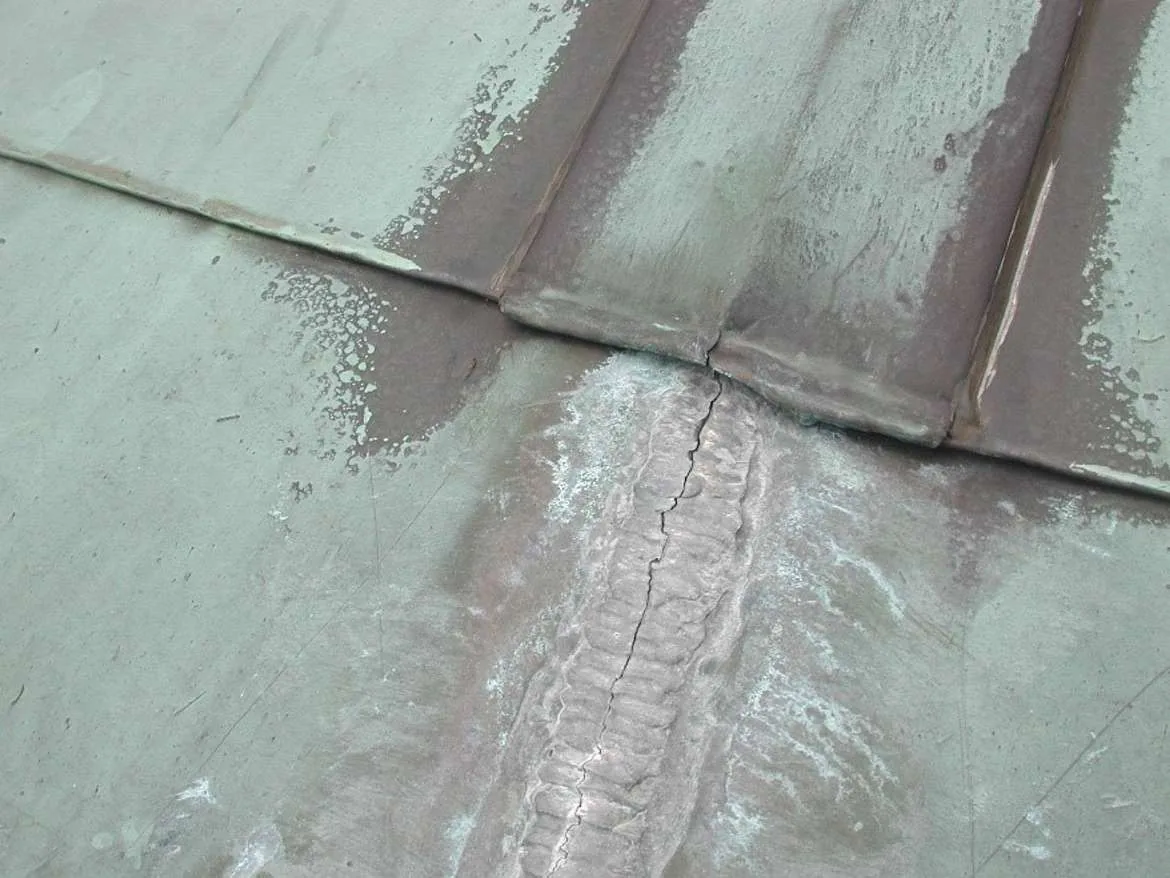

How much seam repair belongs in the base bid before an examination establishes the length and usable adjoining material? We assess commercial roof seam failures in Fairfield, CA, by identifying the covering, the failed connection and the conditions that affect a durable repair. A visible gap gives the general contractor a starting location. It does not establish how much material needs preparation or whether a separate attachment problem is contributing to separation.
Green Valley Corporate Park occupies the meeting of I-80 and I-680 and is marketed for office and technical uses. For a proposed roofing task there, we need the assigned building's access instructions and occupied-space restrictions before reserving a repair period. The examination and compatible closure can require different access from the initial photograph. We set out those tasks early so the contractor can arrange the necessary release.
The joining method determines preparation
A welded thermoplastic joint and an adhered rubber seam need different material preparation. We establish the covering and existing repair materials before deciding what can be joined reliably. A previous coating or temporary patch may obstruct that examination. The bid should include the removal necessary to reach the receiving surface, with a separate allowance where an inaccessible layer leaves the required extent unresolved.
Preparation for a TPO seam correction requires the actual membrane condition and suitable joining procedure considered together. We examine the usable area beside the opening and the effects of contamination or weathering. The general contractor can then obtain the specified repair material and arrange the appropriate work period. Similar-looking white coverings should not be treated as interchangeable when preparing the material order.
Measured separation and repair length differ
A short opening can adjoin a longer questionable connection. We examine accessible seam edges and use a checking method suitable for the assembly and its condition. The findings should distinguish observed separation from portions needing further investigation. That gives the contractor a measured basis for the confirmed line item while preserving an explicit boundary for any added work.
An opening through the membrane beside a joint may require its own prepared boundary. We keep that correction distinct from the seam length where the necessary preparation differs. Pricing both observed conditions helps the contractor avoid counting one photograph twice or leaving an adjoining defect outside the task. The approved repair drawing should show how their connections meet.
The joint may be responding to another defect
Tension beside a seam can come from restraint, movement or an adjoining attachment concern. We examine the accessible membrane and supporting details before defining a correction confined to the joint. A repair that leaves the contributing condition unresolved can remain under the same stress. The roofing sequence should retain any design review or outside-trade adjustment needed to address that condition.
A separation that continues into a flashing needs the vertical transition assessed with the field connection. We identify the receiving surfaces and termination that affect the proposed correction. The general contractor can coordinate access to the wall or curb before the roof work is released. Carrying the interface in the scope makes that dependency visible before material procurement.
Concealed material can change the scope
Water entering an open seam may reach material outside the visible joint. We examine available records and signs of entry, then identify further investigation where retention depends on a concealed condition. An authorized opening needs interior coordination and a suitable closure. Those tasks should be priced separately from confirmed surface work so the contractor knows what the investigation is intended to resolve.
Thermal screening for possible affected areas can support the choice of examination locations under suitable conditions. We carry confirmation requirements and method limits with the findings. The resulting removal decision needs that evidence, rather than the seam's visible length alone. An unresolved concealed quantity should remain an identified allowance until the proposed investigation provides a defensible boundary.
Suitable conditions affect the release period
Moisture, contamination and application temperature can affect the repair connection. We assess the receiving material and applicable preparation requirements before releasing the task. The general contractor should retain time for cleaning, drying and any necessary examination, rather than schedule the permanent work solely from the visible opening count. A restricted work period must still accommodate a compatible completed detail.
An active entry point can need immediate protection while the permanent procedure is arranged. We take emergency calls throughout the day and night, including weekends and holidays, and discuss the feasible holding task for the discovered condition. The correction to the established leak path may then include removal of that temporary material. Its preparation and permanent closure belong in the follow-on scope.
Building instructions set the work boundary
The Solano County Administrator's office is in Downtown Fairfield. For proposed work serving an office building nearby, the property contact should identify the occupied rooms below the joint and the available material route. We explain the repair exposure and closure requirements for that assigned property. The contractor can coordinate those requirements with the released period before the roofing task enters the schedule.
A proposed visit in downtown Fairfield can have different receiving and access instructions from one in Green Valley Corporate Park. We retain each building's agreed instructions with the repair locations and final examination record. Closeout should identify the corrected joint, the materials used and any adjacent concern deferred for separate authorization. That leaves the general contractor with a defined completed task and an explicit remaining decision.
A seam diagnosis should distinguish poor adhesion, contaminated bond surfaces, movement, fastener pull-through and damage from later service traffic. Mark the affected runs and compare them with nearby seams before choosing a patch or extended replacement. Use compatible materials and preparation for the installed membrane, then document the repaired length and any adjacent line held for follow-up. Where the defect continues beneath a rooftop unit or under a termination, coordinate the equipment or metal trade so the final seam is not left dependent on an unassigned connection.
Commercial Roofing Questions
Should the bid include every seam on the roof?
Start with the observed defect and an agreed examination extent. We identify confirmed separation and describe any additional checking needed to establish the repair boundary. The contractor can carry that examination as a defined task, rather than assume that one opening proves a failure throughout the entire roof.
Can a previous repair remain beside the new connection?
Examine its material and condition before deciding what can be retained. We assess whether it obstructs preparation or affects the receiving surface. The bid should include necessary removal and a compatible transition, so the permanent repair does not rely on an unexamined earlier patch.
What makes a measured seam quantity provisional?
An inaccessible joint or uncertain adjoining material can leave the usable repair boundary unresolved. We identify the access or investigation that will settle that quantity and distinguish it from confirmed work. The contractor can then authorize the examination and adjust the relevant allowance from its findings.
Does a leaking seam require the insulation removed?
Establish the concealed condition before selecting a removal extent. We examine available indications and recommend confirmation where moisture or support condition affects retention. The general contractor should coordinate examination and closure together, keeping the confirmed surface repair separate until the concealed quantity is established.
How should the repaired joint be recorded for closeout?
Retain its location, completed extent and repair materials with photographs appropriate to the task. We include any examination limitations and adjacent concern needing separate attention. That record helps the contractor demonstrate what was completed and gives the owner a useful starting point for subsequent maintenance.
Related Roofing Work
Send the seam locations and the proposed repair period
Provide the roof drawings, photographs and available material information. We will assess preparation, repair quantities and access dependencies before you release the roofing task.