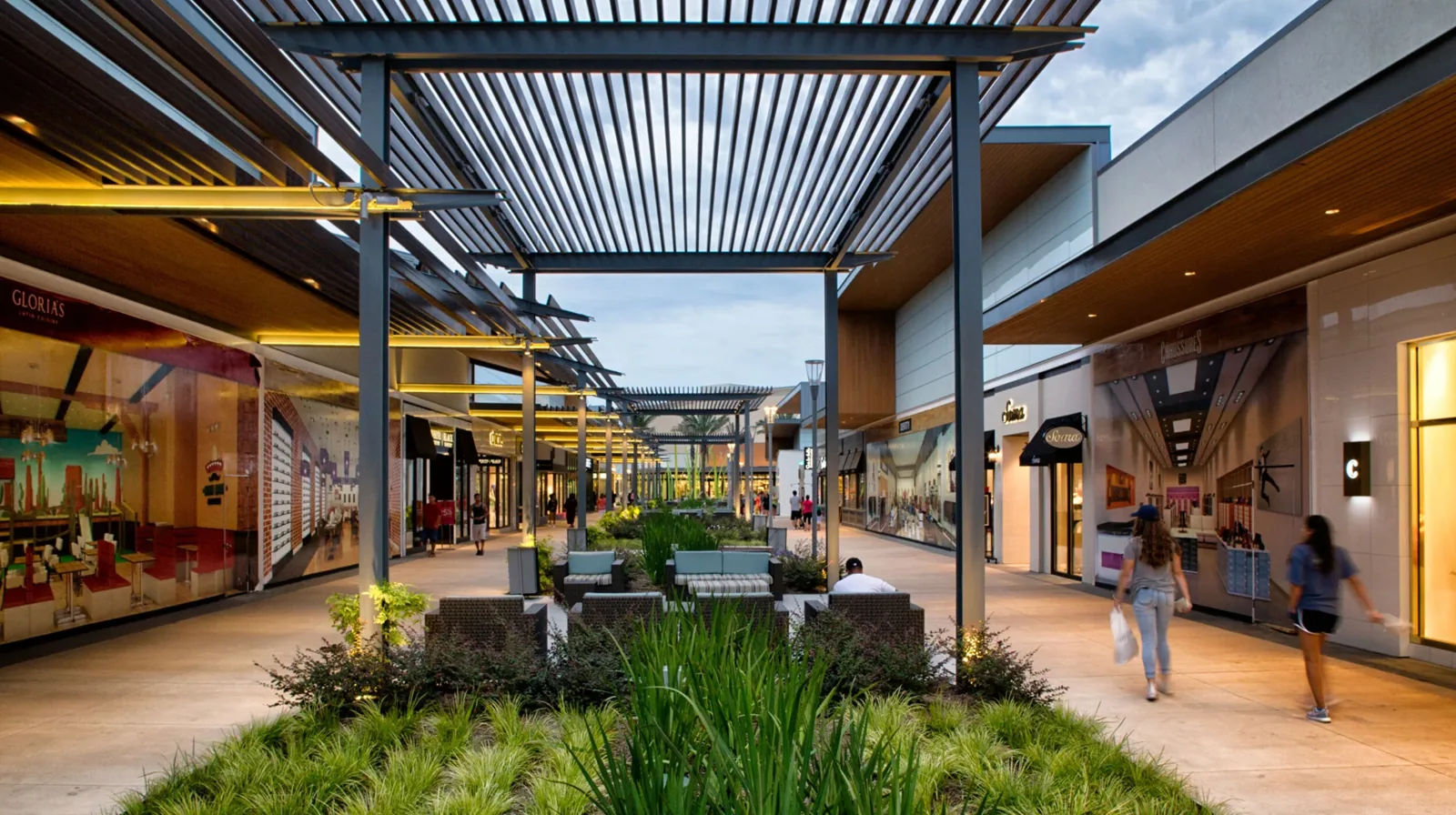

How should a Fairfield, CA contractor price shopping center roofing when a repair area crosses more than one tenant space? The work needs an assembly boundary and an occupied access arrangement before material quantities become a useful bid. We examine the reported defect and the adjoining roof details, then identify the protections and coordination needed underneath. A shared covering can contain different equipment interfaces and room restrictions, so the scope should assign those obligations instead of assuming the whole center can use one unrestricted sequence.
An active leak can need immediate protection while the broader repair boundary remains under review. Our emergency roofing call handling continues through nights, weekends and holidays. We discuss the affected tenant space and roof access, then explain exterior measures suited to the condition found. The operator coordinates interior attention where water threatens contents or electrical components. Permanent work follows the actual covering, supporting material and transitions rather than the outline of the wet ceiling alone.
Tenant work needs center coordination
Solano Town Center is a large shopping district in Fairfield's east side near I-80. For proposed roof work at the center, the contractor should obtain operator direction for the affected area and the access needed to examine it. We identify the relevant equipment, drainage and occupied spaces before recommending the repair boundary. Material handling and entrance protection can then be planned with the site contact while the bid still has room to account for those requirements.
Fairfield Civic Center Library is a civic landmark in Downtown Fairfield. For a proposed retail related roofing project in downtown Fairfield, provide the subject address and the operator's access controls with the drawings. We examine that building individually and explain where occupied activity affects removal or closure. The contractor can reserve staging and define the rooms protected by each work stage rather than carry a shopping center arrangement to a different property without review.
Shared drainage affects the boundary
Water from an adjoining roof area can pass through a work zone even when that area is not part of the proposed replacement. We examine the routes to outlets and identify how they affect phasing. Shopping center drain and scupper work may need to accompany the covering correction where a damaged connection or restriction contributes to exposure. The contractor should coordinate any plumbing task and keep outlet preparation visible before field material installation is scheduled.
A temporary boundary must also manage water movement without creating an obstruction that affects another tenant area. We explain the proposed closure and the retained material needed for it. If deterioration prevents a suitable connection, the removal scope may need revision before work is opened. The bid can then describe the supported work area and the condition requiring further examination, preserving a clear reason for any change instead of treating the tenant line on a plan as the automatic limit of roof correction.
Equipment details belong to the scope
A unit serving one space may sit near a repair above another, requiring equipment and roofing responsibilities to be coordinated through the operator. Roofing at tenant equipment interfaces needs access to the complete damaged connection and compatible preparation. We review the proposed work before another trade blocks that access. The contractor can assign lifting, shutdown or adjustment where necessary, with the permanent flashing task sequenced after the required clearance is provided.
The retained membrane around the detail also needs examination. Wet insulation or an unusable repair surface can enlarge the removal boundary, and a simple curb quantity may not describe that concealed correction. We explain what current observations establish and which further investigation would affect the price. The bid can separate the known interface from unresolved assembly work, helping the operator coordinate affected spaces when the permanent scope is refined rather than presenting a wider opening without a documented reason.
Entrances remain a work constraint
A lifting position near an occupied entrance can affect how roofing materials reach the work. Reroofing while tenant spaces remain active should identify the route, protection and restrictions agreed with the operator. We describe the handling requirements so the contractor can include additional labor where access is limited. Delivery arrangements should follow that review, instead of assuming the area nearest the repair can be used for unloading regardless of pedestrian movement.
The sequence must also allow preparation and closure of the actual assembly. A material delivery date does not establish that damp or deteriorated backing is ready for a permanent connection. We identify the condition required and explain temporary protection when work must continue through separate stages. If the work boundary changes, the contractor revisits the affected rooms and entrances before further removal. This keeps the operating arrangement connected to the roof exposure rather than only to the date originally shown on the schedule.
Related uses stay separately defined
Big box retail roof work may need different staging from a center with separately managed spaces. Restaurant roofing adds equipment and exhaust interfaces where that use occurs. We examine the subject areas and describe their construction requirements before a common material choice is carried across them. The contractor can coordinate procurement while preserving the protection and trade obligations associated with each work boundary.
A center roof condition record documents observed defects, completed repairs and limits of examination by location. We identify adjacent needs outside the current work so the operator can plan them separately. The closeout account also preserves the relevant equipment and drainage interfaces for later tenant changes. A future contractor can then review new work against the present assembly and recorded detail, instead of assuming a previous repair covered every connection serving the building.
Retail-center roofing must preserve clear customer paths and coordinate work above active tenant spaces. The property manager should identify loading hours, fire-lane restrictions and events that change parking or delivery access. Divide the roof into zones that can be closed each shift, and specify how signage, barriers and interior protection will be maintained while crews move. For work near a restaurant exhaust or storefront entry, confirm the responsible tenant contact and any equipment shutdown before opening the surrounding membrane, then document which areas are released to reopen.
Commercial Roofing Questions
Should a tenant boundary define the roofing removal area?
Compare the lease or operating area with the actual assembly and drainage. We identify usable connection boundaries and explain concealed questions. The contractor should coordinate any wider exposure with the operator before treating a tenant line as the technical limit of correction.
Can equipment work and roof work use separate schedules?
Identify their dependencies before dates are fixed. We explain the clearance and preparation needed at the flashing interface. The contractor can assign the mechanical task ahead of closure where it affects roofing access, avoiding a completed unit installation across an unfinished connection.
What belongs in an entrance protection allowance?
State the lifting route and restrictions agreed with the operator. We describe material handling needs and the work exposure so the contractor can assign the necessary protection. Keep those conditions with the bid for any later access revision.
Does clearing a center drain complete the leak repair?
Examine the outlet connection and surrounding details after flow is restored. We identify whether restricted water exposed an additional defect. The contractor should separate cleaning, plumbing coordination and roofing correction where all are needed for the permanent scope.
How should several tenant repairs be documented?
Use specific roof locations and completed boundaries rather than one general center description. We distinguish corrected details from deferred observations. The operator can use that account during later tenant changes and avoid assuming a repair in one area establishes conditions elsewhere.
Related Roofing Work
Send the tenant and roof boundaries
Share drawings, affected spaces and operator access requirements before roofing pricing. We define drainage and equipment dependencies so the shopping center allowance includes the work needed for its sequence.