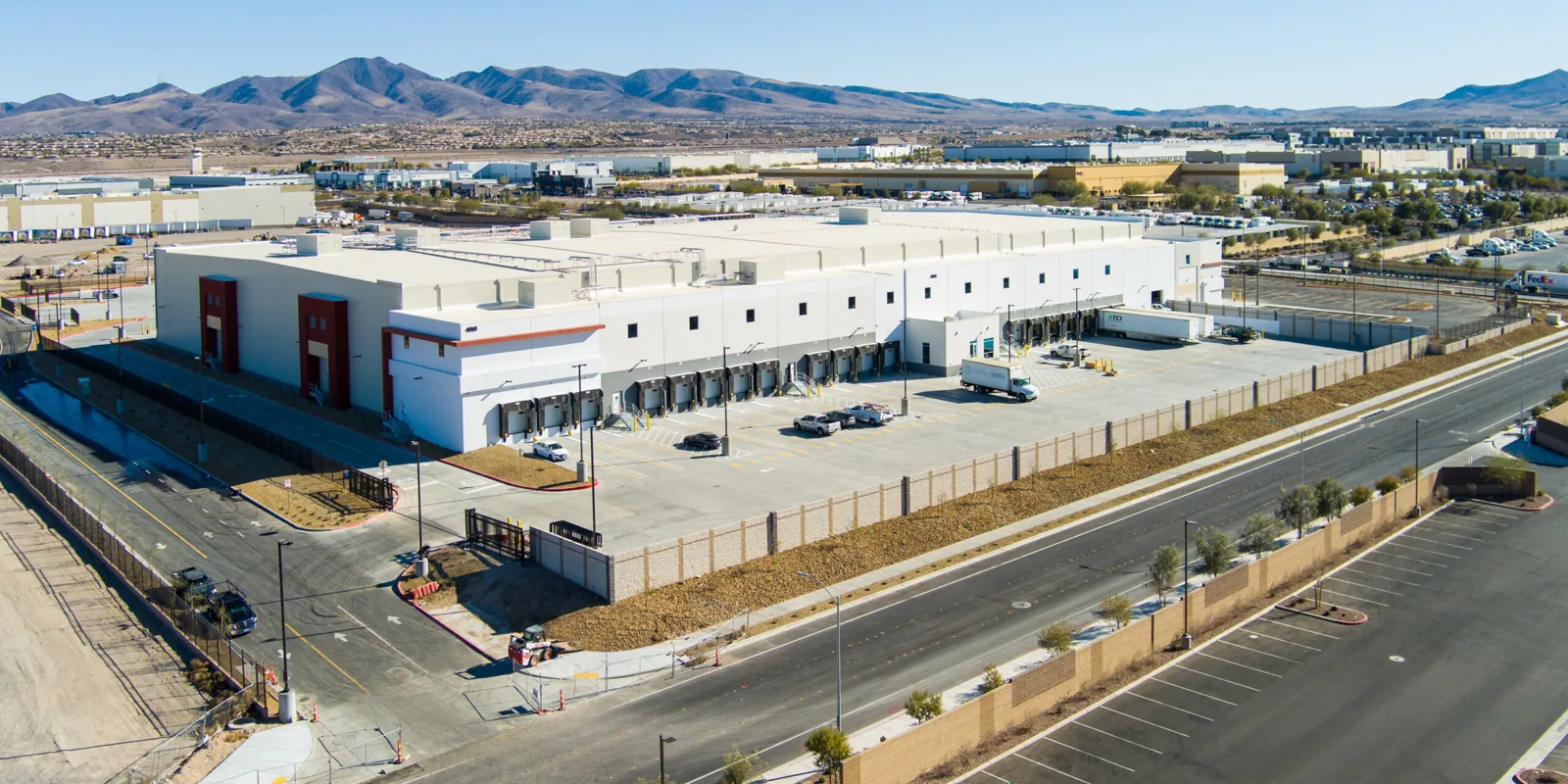

How should a contractor price cold storage roofing in Fairfield, CA when moisture and insulation condition remain unresolved? The enclosure needs a coordinated assembly, and a new covering cannot substitute for examining the layers that manage heat and moisture movement. We review the roof records, proposed work and operation with the responsible team, then identify which conditions affect retention and removal. The bid should distinguish surface correction from the investigation required to establish whether supporting insulation can remain.
Water observed indoors may originate from exterior entry, condensation or another building system. We examine the roof and coordinate the relevant enclosure questions instead of selecting a repair from the symptom alone. An active exterior leak can need temporary protection while the permanent scope is defined; emergency roofing calls are handled at all hours through weekends and holidays. The contractor and operator should assign responsibility for the conditioned space, stored contents and specialist review alongside the roofing response.
Moisture control spans the assembly
A cold storage enclosure requires attention to air movement and vapor control at its roof interfaces. Warm moist air reaching a colder layer can contribute to condensation, while an open membrane can admit rainfall through a separate path. We review the assembly information and identify gaps that need the appropriate design or enclosure specialist's input. The contractor can then coordinate the roofing detail with that decision before closing a penetration that still has an unresolved moisture control requirement.
Roof insulation and supporting board work depends on the material condition and the proposed assembly. Wet or degraded layers may not provide usable support even where the surface is repairable. We explain the condition found and the investigation needed to define its extent. The bid can carry removal, restoration of test openings and specialist coordination as distinct tasks, giving the team a clear basis for the permanent connection instead of assuming that a roof patch answers every enclosure question.
Testing needs an interpretation plan
Temperature differences affect how moisture investigation is interpreted on a conditioned building. An infrared survey for suspected roof moisture can identify areas requiring closer examination, but thermal patterns alone do not establish the amount of wet insulation. We discuss the assembly and operating conditions before recommending a method. The contractor should identify the decision the testing must support and include appropriate confirmation where retention or removal depends on the result.
Limited openings also need a protection and restoration plan compatible with the enclosure. We explain the proposed investigation boundary and coordinate with the operator before disturbing layers that may affect the space below. Access, contents protection and the condition required for closure can influence timing. A defined testing allowance should therefore include the work surrounding the measurement, rather than price the survey visit while leaving restoration and specialist review outside the construction sequence.
The work follows the proposed operation
The marketed biomedical uses at Green Valley Corporate Park provide a setting for a proposed conditioned space review; the park is located at the I-680 and I-80 intersection. If a proposed project in Green Valley Corporate Park includes a temperature controlled storage space, send its enclosure requirements with the roof drawings. We review the particular assembly and coordinate the interfaces requiring design input. The contractor can then separate the cold space requirements from other areas of the project rather than apply one roof detail indiscriminately.
NorthBay Health Medical Center is in Fairfield. For a proposed healthcare support scope with conditioned storage, the operator should define the space requirements and access controls before roof investigation. We identify where the planned opening sits relative to that space and what protection needs to be arranged. The bid can reflect those tasks alongside the roof preparation, with equipment and interior specialists assigned through the project team where their decisions affect closure.
Openings need a coordinated boundary
A removal area can affect both weather protection and enclosure continuity. We describe the proposed boundary and the temporary measures needed before the roof is opened. Roof work above a functioning cold storage space requires coordination with the operator so stored contents and room conditions are addressed by the responsible parties. The contractor should identify whether a smaller work area or a different access period is necessary and price the resulting handling and protection labor.
The permanent detail must connect usable materials through the relevant layers. A penetration, wall transition or equipment curb can require additional coordination when its enclosure connection is incomplete. We explain that dependency early, allowing specialist review to precede final material release. Actual surface condition and the requirements of the selected roofing material govern closure. The schedule should preserve those tasks rather than treat a brief operating interruption as enough time to complete any repair regardless of preparation or concealed condition.
Alternates preserve enclosure requirements
Manufacturing roof work may share equipment coordination with cold storage while requiring different enclosure details. Grocery building roofing can include a conditioned storage area within a broader occupied use. We identify those areas separately when they occur in the scope. The contractor can compare materials while retaining the operating and design requirements that make each work area distinct.
A recover evaluation for the retained roof must address moisture, attachment and the existing layers before another covering is proposed. Replacement may need removal and rebuilding of damaged enclosure components, with their responsibilities described before the bid is fixed. We explain the findings that support each option and the remaining questions. Closeout records preserve the repaired interfaces and assembly information so later alterations can be reviewed against what was constructed rather than rely on a surface description alone.
Cold-storage roof work must account for the consequences of temperature change below the active work area. Confirm which rooms or product zones need uninterrupted conditioning, who can authorize an alarm response and how temporary interior protection will be monitored. At penetrations serving refrigeration or control equipment, assign the responsible trade to isolate and restore the connection. The roofing plan should show daily weather closures and identify who verifies that the enclosure can return to operation before the next shift begins.
Commercial Roofing Questions
Does a cold room drip establish a membrane leak?
Compare the symptom with exterior findings and the building's operating conditions. We examine the roof entry paths and coordinate enclosure questions where condensation may be involved. The contractor should assign the appropriate specialist review before treating every interior moisture observation as a roofing defect.
Can insulation be retained beneath a new covering?
Establish its moisture and supporting condition before selecting retention. We identify the investigation needed for that decision and explain how the enclosure requirements affect preparation. The bid should preserve those conditions rather than assume dry surface appearance means every underlying layer is usable.
What needs coordination before a roof test opening?
Define the opening, protection and restoration requirements with the operator and relevant design team. We explain the roofing work and the question the opening will resolve. Include contents protection and enclosure continuity tasks in the sequence so the test does not create an undefined exposure.
Will thermal imaging give the final removal quantity?
Use thermal findings with assembly information and appropriate confirmation. Conditioned spaces and other factors can affect the pattern. We explain the interpretation limits and the further examination needed where the permanent budget depends on whether insulation can remain.
How should an alternate preserve cold storage requirements?
State the enclosure interfaces, retained materials and operating controls for each option. We compare the roofing preparation and identify dependencies needing specialist direction. A lower covering allowance should not omit the moisture control or protection tasks required to carry out that alternative.
Related Roofing Work
Send the conditioned space requirements
Send roof drawings, enclosure information and the storage operating requirements. We define investigation and interface tasks early so your cold storage roofing allowance reflects the assembly and protection work needed.