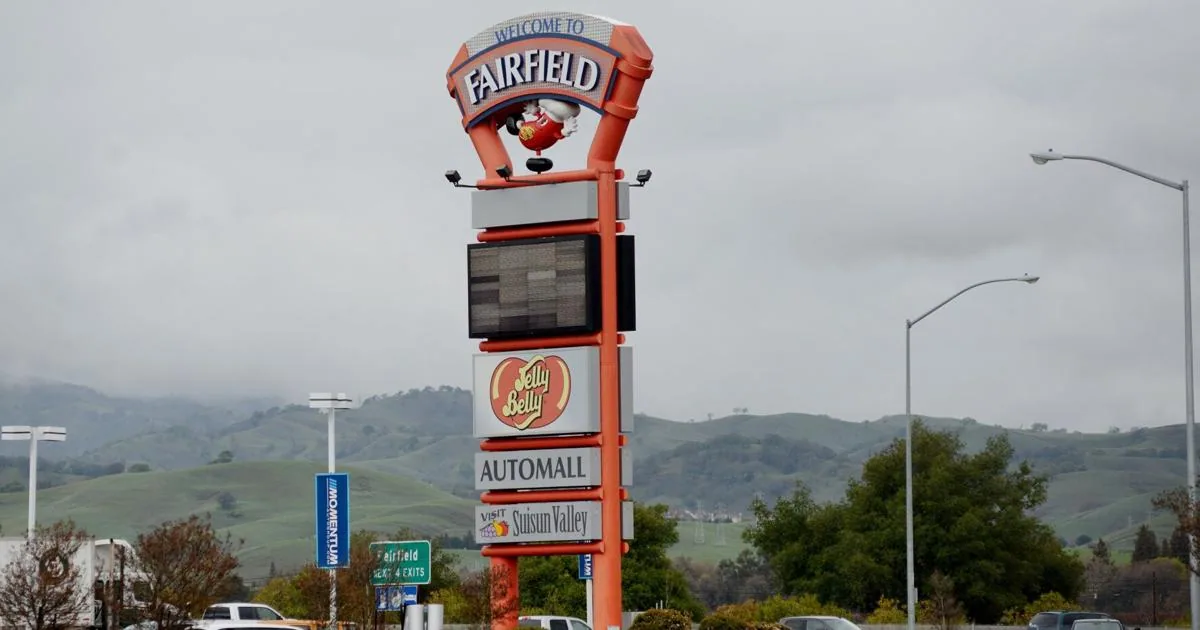

Fairfield Auto Mall area commercial roofing needs an overhead work plan before a GC treats a repair as a short interruption. A leak near an entrance or service room can involve roofing, drainage or equipment, with different preparation and access under each correction. We inspect membrane and metal systems, trace entry and define the permanent work against the actual assembly. Repair, restoration and replacement options include the supporting tasks needed for a complete connection.
The Fairfield Auto Mall is a multi-dealership commercial area. A named dealership helps locate the service district but does not establish its roof condition or current vehicle inventory. Fairfield's historical city reading reached 117 F on September 5, 2022. The heat context helps frame inspection of movement and earlier repairs, while the assigned property's measured condition, access and operating requirements establish the roofing bid and the practical dates for construction.
Routes below need protection
An overhead repair can affect a public entrance or service approach even when the roof opening is small. We coordinate the protected boundary with the building contact and identify where tools and removal debris will be handled. Electrical or ceiling concerns below require the appropriate personnel. The GC should resolve those tasks before roof removal rather than assume the visible patch area represents the whole disruption.
For roof work at an automotive dealership assignment, the actual operator confirms routes and operating restrictions. A project near Solano Town Center can need different overhead protection and deliveries, so the sequence is developed for each property. We describe the practical tasks and secure stopping point before material is opened. That keeps the roofing work from waiting on a public-access decision after the building has already lost part of its weather protection.
Equipment and roof defects differ
Water near a unit can come from condensate or an opening at the curb and adjoining membrane. We compare leak timing and interior observations with the roof details before choosing a correction. A continuing discharge problem requires equipment coordination, while a failed weather connection belongs in the roofing reconstruction. The bid should define both responsibilities where they interact, rather than schedule a patch that leaves another active water route unresolved.
Our work around rooftop equipment bases identifies the support and access required for the roof detail. Another assignment in downtown Fairfield begins with its own unit and room information. The GC should arrange isolation or lifting where necessary before removal, aligning the equipment trade with roofing readiness. That coordination helps protect schedule float because a permanent flashing cannot close until the base and adjoining construction are suitable for its connection.
Supporting layers need investigation
A small opening can leave moisture beyond the visible patch boundary. We examine the assembly and describe the confirmation needed where hidden layers cannot be assessed completely. A clean surface does not establish dry insulation or sound cover board below it. The repair scope needs the removal depth and tie-in basis so the GC can distinguish membrane work from selective reconstruction.
Our replacement of damaged roof base components can prepare the local area where surrounding construction remains useful. Through inspection of the repair boundary, we identify observed conditions and remaining uncertainty before the bid is fixed. A controlled allowance may address concealed differences, with a stated assembly and approval route. Additional findings are documented before expanding removal, keeping changed quantities tied to actual construction instead of a general instruction to enlarge the patch until the area looks sound.
Perimeter repairs include hidden support
Water near a wall or entrance can involve edge metal, coping or a roof connection away from the interior stain. We inspect those interfaces and identify substrate or attachment defects beneath accessible components. A new metal piece cannot restore damaged backing, and a sealed visible joint does not replace the membrane connection. The permanent bid defines preparation and compatible reconstruction rather than treat fabrication as the only remaining task.
Our roof condition findings for bid review connect the proposed work to photographs and locations. The GC can use that basis to resolve submittals, fabricated components and material lead time early. Surface readiness is checked at the actual detail before bonding or joining proceeds, including shaded areas that differ from the exposed field. We explain holds and temporary protection where needed, allowing the operator and adjacent trades to coordinate around the real construction requirements.
Handover identifies permanent limits
A finished roof repair should leave the owner with a clear boundary of completed work and any separate task that remains. We document the opening corrected, replaced layers and retained limits, then provide practical access protection for later equipment service. The GC can coordinate interior restoration using that roofing status while the appropriate trades assess moisture and readiness below. Disappearance of the drip does not establish completion of every affected material.
Emergency roof assistance is available through weekend, holiday and overnight periods, with timing confirmed for the assigned address and conditions. Temporary protection can limit exposure while permanent preparation or procurement continues. A wider roof recommendation follows the spread of damage and repairability findings rather than the automotive area label. Future maintenance checks can examine drainage and service traffic, with each new symptom investigated independently so a discharge change or fresh puncture is not automatically treated as failure of the previous connection.
For a commercial property in the Auto Mall area, separate roof work from any vehicle or equipment movement below. Identify the entrance, service approach or occupied zone needing protection, then map the roof detail that requires correction. We include temporary barriers where the work calls for them and describe how removed material leaves the building. The roofing line should still name the permanent membrane or metal connection, its preparation and its closure. This lets the GC coordinate the visible access impact without confusing it with the technical repair itself.
Commercial Roofing Questions
Does a dealership address define the work restrictions?
Confirm actual routes, occupied spaces and operating requirements with the assigned property contact. An identity alone does not establish how work can proceed overhead. We recommend resolving those details before scheduling removal, so the GC carries practical protection and handling rather than a generic interruption allowance.
Can equipment water be included as a roof leak repair?
Investigate the route and state the responsible correction. Condensate handling may require another trade, while an open curb connection needs roofing work. We identify the interaction so the GC can coordinate both where necessary without expecting a membrane patch to resolve an unassigned discharge problem.
What should a selective base repair quantity include?
Define removal depth, replacement layers, attachment and the connection to retained material. That lets comparable areas be measured on a useful basis. We recommend documenting concealed differences before extending work, with an approval route that keeps additional quantities tied to the construction found.
Can replacement metal be ordered from the stain location?
Inspect and measure the actual perimeter component and concealed attachment requirements first. Water can travel before appearing inside, and the visible profile may omit critical backing details. We recommend resolving the repair connection before fabrication so the ordered piece fits the permanent reconstruction.
When should the operator receive service protection information?
Provide the repaired boundary and access guidance at handover, before later equipment work crosses new details. Separate unit or drainage tasks should remain visible. We recommend using that record with current observations when another symptom appears, avoiding automatic enlargement of an old patch without a new investigation.
Related Roofing Work
Send the roof scope early
Send the Fairfield Auto Mall area address, overhead routes and equipment information early. We will define the roofing correction and protection so the bid follows the actual property requirements.