
Commercial roofs in Fairfield serve manufacturing, distribution, offices, healthcare, public agencies, retail, and hospitality. The same leak report can lead to different work depending on the roof assembly, occupied area, drainage, and equipment above it. We begin with the property and concern supplied by the owner, then inspect the accessible roof and document membrane, seams, transitions, curbs, penetrations, drains, and edge details. Photographs should connect each finding to a recognizable roof section so the repair boundary is clear to the person approving the work.
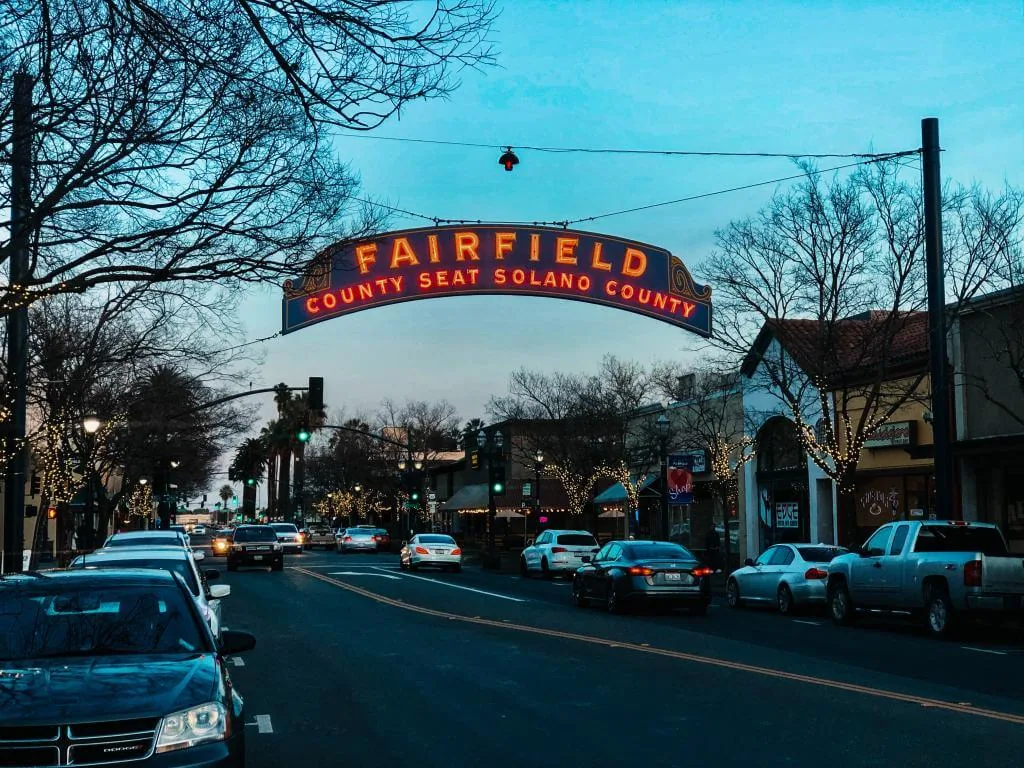
Fairfield includes established office and research settings at Green Valley Corporate Park and Fairfield Corporate Commons, along with industrial and commercial properties near Cordelia. Downtown civic buildings and retail areas add other roof types and operating constraints. Those local uses help orient service requests; the installed materials and current condition still need direct inspection. A commercial roof inspection records what is visible, what remains concealed, and which next step the evidence supports.
Commercial settings across Fairfield
Fairfield’s commercial geography includes more than one kind of worksite. The city markets Green Valley Corporate Park for office, research, biomedical, and technical-support uses. Fairfield Corporate Commons supports additional office and research activity along the regional business network. The Cordelia Road industrial area has another mix of logistics and industrial properties. A building in any of these areas may have different roof age, access, mechanical equipment, drainage, and tenant requirements.
Downtown Fairfield includes civic and office properties, while retail destinations and the Fairfield Auto Mall bring customer-facing operations and delivery activity. Location helps dispatch understand the general service area, but it does not identify an entrance, roof hatch, staging point, or responsible manager. Fairfield sits at the junction of I-80, I-680, and State Route 12, so requests can come from several separated commercial nodes rather than one downtown cluster. In Green Valley, office and research users may share a park but have independent building contacts; along Cordelia Road, loading and freight access can determine when lifts, deliveries, or roof shutdowns occur. We confirm each property’s actual entry and staging conditions rather than infer them from an area name. For each request, provide the specific building and the contact who can authorize examination. We keep findings for separate addresses apart, even when one owner or manager coordinates a portfolio across several Fairfield properties.
What a roof inspection should establish
We compare the reported interior location and timing with the roof details that can be examined safely. The walk may include membrane seams, parapets, wall flashing, penetrations, equipment curbs, drains, scuppers, prior patches, and visible ponding. A ceiling mark is evidence of water inside, not proof that the nearest roof detail is the source. Water may travel along a deck or insulation before appearing indoors. We photograph both the detail and enough surrounding area to find it again, and record any roof zone that could not be accessed.
Where the visible surface does not settle the question, we identify the next test rather than assume the hidden layers are sound. Moisture scanning, a controlled opening, or review of prior roof records may help define the affected area. Drain and scupper inspection can help separate an outlet problem from a membrane or flashing failure. The written scope should tie each proposed quantity to an observed condition and distinguish confirmed repairs from allowances or unanswered questions.
Planning for Fairfield weather and exposure
Fairfield’s seasonal pattern includes a long dry summer and a wetter winter period. Local forecasts also cover strong Delta-breeze and frontal winds across the Carquinez Strait and Delta zone. For roof work, weather affects access, material installation, temporary protection, and the timing of a return visit. It does not establish damage at any individual property. When a storm is reported, we document the date and reported area, then look for observable changes such as displaced edge metal, punctures, open seams, or damaged flashing.
A wind-damage review should identify the component and attachment that show a change, separating storm evidence from ordinary wear. If rain may arrive before permanent work is complete, the plan needs a defined dry-in method, a stopping boundary, and a named contact responsible for closeout. Temporary protection is recorded as temporary work, with a follow-up step if the permanent correction must wait. During dry-season work, dust, heat, and material handling can also shape the work window set by the owner and installation requirements.
Setting a repair or replacement scope
A localized repair may be appropriate when the defect is bounded, surrounding material is sound, and a compatible connection can be formed. The proposal should identify preparation, materials, area, protection, access, exclusions, and any concealed-condition allowance. If wet insulation, deck deterioration, recurring seams, or broader membrane wear could change the boundary, explain what testing or removal would resolve the uncertainty before expanding the quantity. Commercial roof repair should be priced from the inspected roof condition rather than a count of interior complaints alone.
For larger areas, compare repair with recover, coating, or replacement only after documenting the existing layers, drainage, attachment, penetrations, edges, and substrate condition. Fairfield projects are subject to California building and energy standards based on permit timing and project scope. The design professional determines which provisions apply to a particular alteration. We can record visible construction and flag questions for that review, while keeping the roofing estimate clear about work that is defined and work that remains conditional. A decision record lets ownership compare options without treating an early budget allowance as a final construction quantity.
Coordinating work around building operations
Before a crew is scheduled, confirm roof access, escort or check-in requirements, lift and delivery arrangements, staging, occupied spaces below, and who can approve a change. These details differ across office, industrial, medical, retail, and public properties. A small flashing correction may fit within one work period, while removal and replacement may require a sequence of roof zones and daily weather closeout. For occupied-building reroofing, the plan should state which entrances and routes must remain open, who provides interior protection, and how the facilities contact receives updates.
Equipment work can affect when a curb is ready for permanent flashing. We identify any mechanical or electrical prerequisite and the representative responsible for it. The owner can then compare the roofing task with that handoff instead of leaving a roof opening dependent on an unspecified later visit. At closeout, retain photographs, completed locations, materials, temporary conditions, exclusions, and remaining follow-up. Keep each property’s record tied to its own address and roof map so later maintenance or ownership changes do not merge separate building histories.
Commercial Roofing Questions
Which properties are within the Fairfield commercial roofing service area?
Commercial, industrial, office, healthcare, retail, public, and hospitality buildings across Fairfield can be reviewed. The property contact identifies the building and access arrangement for the requested work.
Does a weather advisory confirm roof damage?
No. A forecast or regional event provides context only. An inspection must document an observable condition at the specific property before repair scope or cause is assigned.
How do you determine whether a leak needs testing?
We inspect accessible roof details and compare them with the reported interior condition. If concealed moisture or an unclear water path could change the repair boundary, the report identifies the test or opening needed.
Can commercial roofing proceed while a building is occupied?
The schedule depends on the property’s access, protection, noise, and operating instructions. Work can be phased where those requirements permit, with a defined daily stopping and weather-closeout plan.
Related Roofing Work
Request a Fairfield commercial roof inspection
Provide the property location, reported roof concern, available roof records, and access contact. The assessment can document current conditions and define the next repair or planning decision.