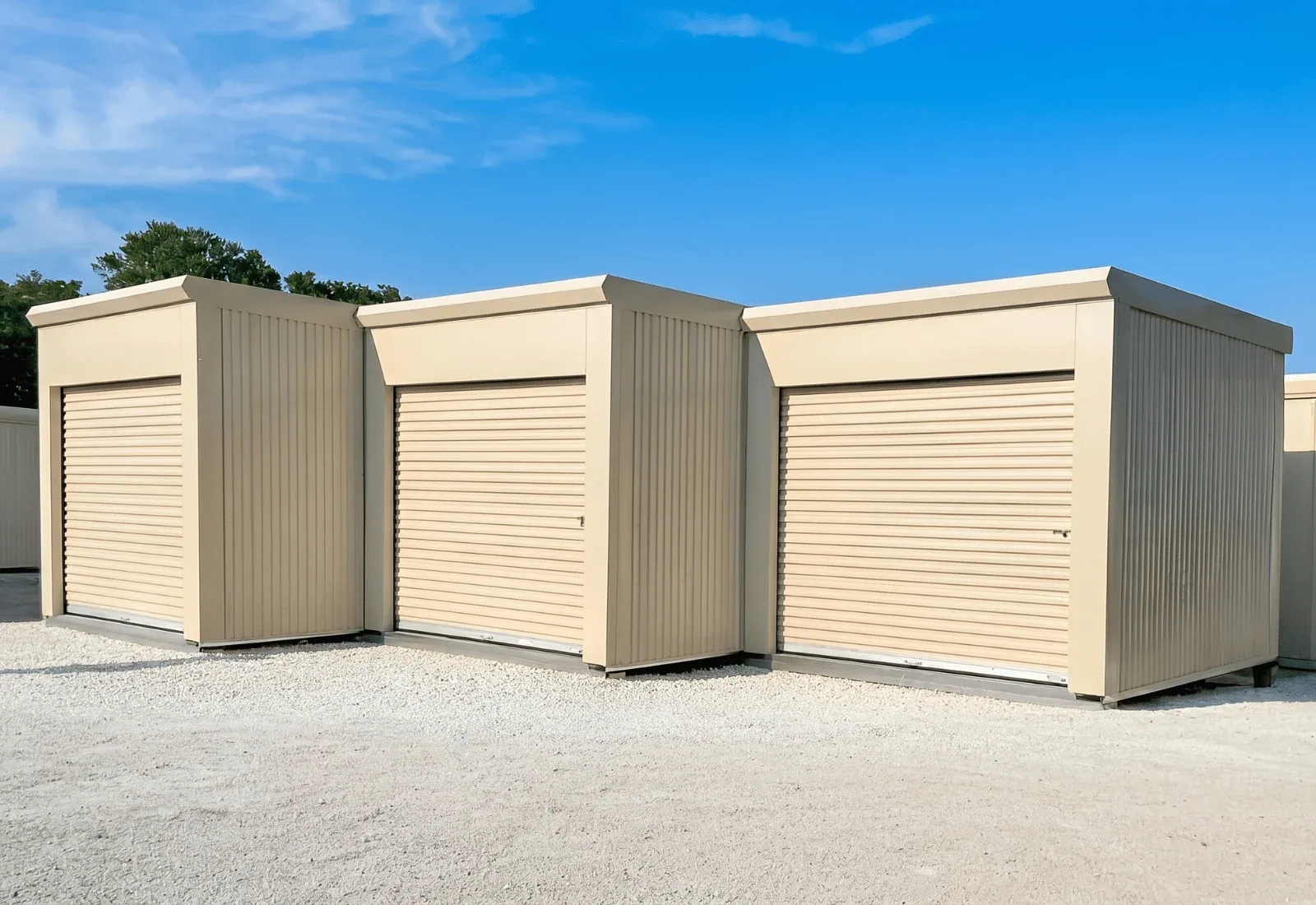

Which unit access assumptions need clarification in a Fairfield, CA self storage roofing estimate when the water entry location is uncertain? An interior report can indicate the affected contents or wall without establishing the exterior defect directly above it. We review the available roof records and examine seams, penetrations and drainage, then explain the preparation supported by those findings. The responsible operator arranges authorized interior observations and contents protection so the contractor can include those tasks before removal or investigation proceeds.
An active leak may justify temporary exterior action while the permanent boundary remains under assessment. We handle emergency roofing calls during nights, weekends and holiday periods. The first coordination identifies the unit or area reported and a workable roof entry route. We describe suitable protection after examining accessible details, while interior and specialist electrical attention are arranged through the operator where required. The enduring repair reaches usable covering and support, with concealed moisture investigated when it affects which layers can stay.
Unit boundaries do not trace the leak
Water can travel along assembly layers or support before reaching a visible interior location. Water path assessment for storage roofing compares the reported timing and area with relevant exterior connections. We identify whether another observation or limited opening would refine the diagnosis. The contractor should describe those tasks separately from the permanent correction, avoiding an allowance that assumes the roof needs work only inside the outline of the affected storage unit.
Roof records may show earlier repair locations, but their presence does not establish the current entry path or who created a defect. We examine the present condition and explain the usable perimeter needed for new material. A previous patch can require removal if it prevents compatible preparation. The bid can include that work by location, with any wider moisture question assigned before procurement assumes a surface correction will address supporting layers that have not been examined.
Contents controls belong before opening
The operator needs a defined account of the exterior exposure before deciding how the space below is protected. Roofing while storage areas remain in use can require separate stages or handling routes where access is restricted. We describe the removal and temporary closure planned so the contractor can assign the associated preparation. The allowance should retain those operating requirements rather than leave contents coordination as a general obligation discovered after the roof is opened.
A revised boundary can affect additional units or passages. We explain the concealed condition or unusable material causing the change before construction expands. The contractor then coordinates the newly affected area through the operator and reviews the closure arrangement. Permanent material also needs suitable preparation conditions, so an available access date must be compared with the actual assembly. Appropriate temporary protection remains a separate task when another stage is needed to reach usable support or complete the connection.
Storage proposals need their actual address
The Cordelia Library is a public facility serving Fairfield's Cordelia area. For proposed self storage roofing in the Cordelia area, supply the subject address, reported unit locations and operator contact with the scope request. We identify the exterior access and accessible roof connections at that property. The contractor can then arrange investigation and material handling from the actual work site requirements, with occupied unit coordination included before the allowance is fixed.
Solano Town Center is an east-side retail landmark near I-80 in Fairfield. If a related storage property scope is proposed near that district, the contractor should obtain its own roof and interior access instructions early. We examine the subject assembly and identify the supporting preparation that affects repair or retention. A coordinated set of visits can reduce uncertainty before bidding while keeping each roof's findings and protected spaces distinct in the construction plan.
Retention needs dry usable layers
A recover proposal avoids some removal only where the retained assembly is suitable for the new system. Assessment of a storage roof recover needs moisture, support and attachment questions addressed before another covering is selected. We explain current observations and any examination that would change the option. The contractor can include testing and restoration in the alternate, rather than assume a sound looking surface establishes every underlying layer as ready for retention.
Replacement has its own contents and temporary closure obligations during removal. We identify the practical stages and the connection to roof areas staying in place. Where deterioration extends past an initial opening, the preparation needs revision and the affected spaces must be reviewed. The bid can compare retention and removal as complete construction alternatives, with their investigation, handling and closure tasks visible. This lets the operator assess the actual work proposed instead of comparing covering prices that carry different unresolved requirements.
Related uses keep different controls
Warehouse roof work may involve a wider occupied floor area, while flex industrial roofing can combine several operating uses. We identify the subject use and assembly before coordinating suitable materials across related projects. The contractor should keep unit access and contents arrangements specific to storage work. A similar roof system can need a different investigation route or removal division when the occupied area below changes.
At handoff, repaired seams and transitions should be identified with material information and the permanent boundary. We explain deferred observations separately so the operator can plan further assessment without assuming adjacent layers received the same correction. Later water reports can be compared with those locations and the current exterior condition. New penetrations or equipment changes still need their own compatible connection review, giving the contractor a defined basis for another allowance while preserving the record of the work already delivered.
A self-storage roof scope needs to protect units, customer access and the facility's gate operation at the same time. Ask the manager which corridors are occupied, how deliveries reach the property and whether a unit may need temporary access for interior observation. The work sequence should keep emergency lanes available and identify where lifted materials can be set without blocking customer circulation. For removal above active units, define notification, contents protection and daily weather closure responsibilities before the price is compared with a vacant-building assumption.
Commercial Roofing Questions
Does water in one storage unit identify the exterior repair area?
Compare the report with the accessible seams, transitions and drainage. We trace likely paths and identify any observation needed to refine the boundary. The contractor should arrange authorized interior access before selecting permanent removal from the unit outline alone.
What needs to happen before an investigation opening?
Define its purpose and location, then coordinate the space underneath through the operator. We describe protection and compatible restoration. Include those tasks with the examination allowance so the bid accounts for the work surrounding the concealed condition check.
Can existing storage roof layers remain under a recover?
Examine moisture, support and attachment before deciding. We explain the findings supporting retention and questions requiring confirmation. Compare the complete preparation with replacement rather than assume avoiding broad removal makes every retained layer suitable.
How should a larger repair affect the operator plan?
Identify the added exterior exposure and the condition driving it. We explain the revised closure needs. The contractor should review additional units or passages with the operator before expanding removal beyond the work area originally coordinated.
What information helps with a later storage leak report?
Keep repair locations, boundaries and material details available alongside the new symptom timing. We assess the present entry path against those records. This supports a focused examination without assuming the earlier corrected location is the cause of every subsequent water event.
Related Roofing Work
Send the storage unit report and roof records
Send the affected areas, roof information and authorized operator contact. We define investigation, contents coordination and permanent preparation before your storage roofing estimate is completed.