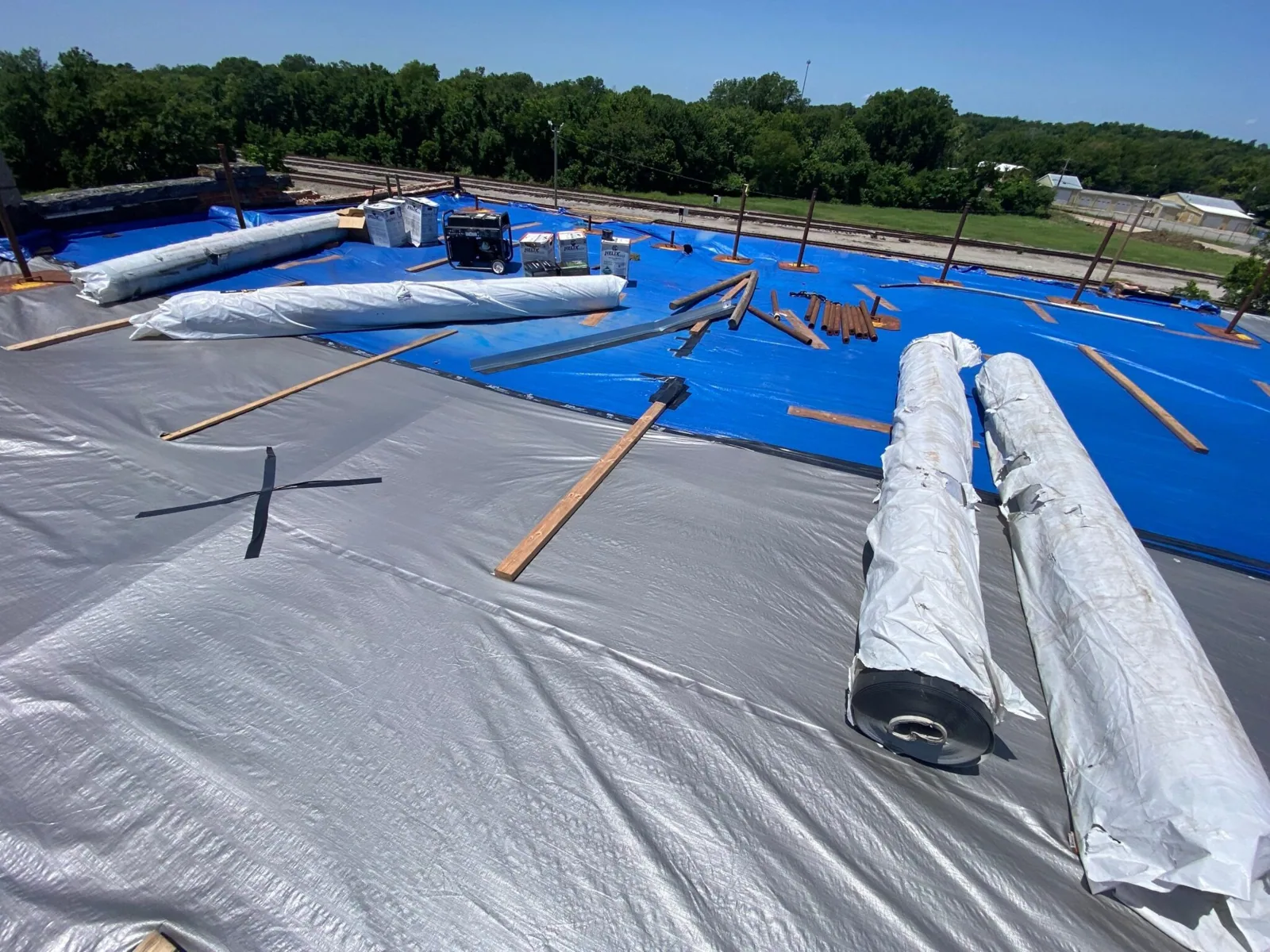

A restoration schedule needs the damaged roof quantity distinguished from further investigation before removal changes the evidence. We provide commercial roofing for insurance restoration work in Fairfield, CA, with observed defects, feasible protection and permanent preparation recorded for the proposed task. The general contractor needs a clear authorization boundary while a claim-related review proceeds. Immediate protection and a later repair decision can require separate access, materials and quantities.
Solano County was included in the LNU Lightning Complex, which started August 17, 2020. That historical regional fire event is relevant when an owner assembles records for a proposed restoration assignment. We assess the actual roof condition and accessible material before recommending removal or retention. The contractor can use those findings to define the specific examination and repair task, with any fire-related supporting assessment assigned to the appropriate specialist.
The observed condition precedes a cause conclusion
A photograph of displaced material can establish a visible condition without determining the event responsible for it. We record accessible defects and the available timing information before disturbing the detail where feasible. The general contractor needs those observations distinguished from any unconfirmed mechanism. That allows the proposed roofing scope to describe the discovered work while a separate review considers cause or coverage.
Roof condition documentation for claim-related review includes marked locations, photographs and the proposed correction based on the examination. We identify limitations that affect the findings and any further assessment required. The contractor can retain those records with the authorized task. The roofing document should not promise a coverage decision or convert an observed opening into an established account of who or what caused it.
The holding task preserves a separate endpoint
Active entry may require feasible protection before a permanent assembly decision is ready. We examine the accessible defect and available route, discussing emergency assessment at any hour, including weekends and holidays. The authorized initial task should state its protection purpose and remaining uncertainty. The general contractor can coordinate the affected space while retaining a separate decision for the permanent repair or wider removal.
A proposed correction to observed wind-related damage needs the accessible attachment and adjoining details assessed for the actual condition. We identify the roofing boundary and any supporting review that affects reconstruction. The contractor can price confirmed preparation separately from unresolved structural or design work. A holding measure may reduce exposure while those items are settled, with its later removal included where permanent preparation requires it.
Supporting damage needs its own responsible task
Heat exposure or displaced components can leave an accessible roof surface without establishing the concealed supporting condition. We identify where retention depends on further examination or specialist assessment. The general contractor should preserve that release before assigning a replacement detail to damaged support. A material selection cannot resolve an unexamined receiving surface or an outside-trade task still needed for the connection.
Roofing reconstruction after examined fire damage follows the supporting decisions applicable to the actual assignment. We define removal and compatible receiving material from those findings, keeping unknown quantities explicit. The bid should show the authorization needed before concealed work extends. The contractor can then coordinate supporting repair and suitable roofing closure from the subject material findings and the approved reconstruction boundary.
Removal follows an identified boundary
Water entering a damaged detail may affect material outside the visible surface opening. We examine accessible indicators and identify an authorized investigation where concealed condition changes retention. The opening needs a suitable closure and coordination with the occupied space below. The contractor can carry that investigation separately, retaining its purpose and approval method before converting a provisional allowance into a removal quantity.
Thermal screening supporting moisture investigation can help select examination locations under appropriate conditions. We retain confirmation requirements and method limits with the findings. A thermal response alone should not establish every hidden layer's condition. The resulting scope should identify confirmed affected material, preparation and the transition to retained construction so the contractor has a clear basis for any authorized extension.
The roofing endpoint differs from interior readiness
A completed roof connection does not establish that every affected interior material is ready for restoration. We record the roofing task and relevant remaining concerns for the responsible project personnel. Appropriate interior and specialist trades assess their own affected components. The general contractor can coordinate finishes from those combined findings rather than use reduced dripping as proof that all supporting work is complete.
Coordination of the restoration trade sequence needs each task's supporting release retained. We identify equipment, wall or receiving-detail decisions that affect permanent roofing. The contractor can place those items ahead of the final connection and retain suitable protection during the interface. Procurement should follow the agreed assembly, with any substitution requiring its relevant review before the work period is committed.
The assigned building determines the access plan
NorthBay Health Medical Center is in Fairfield. For a proposed restoration task at a medical property nearby, the property manager needs the affected space and examination exposure identified before an opening is arranged. For a proposed restoration task at a medical property nearby, the property management contact needs the affected space and examination exposure identified before an opening is arranged. We explain the roofing preparation and closure for the assigned condition. The contractor can then coordinate the building's release with any supporting assessment still required.
A task near NorthBay's medical area needs separate records and access instructions from one in downtown Fairfield's commercial area. We retain completed roof locations, repair materials and deferred items with the subject assignment. That gives the contractor a defined roofing endpoint while keeping unresolved claim review, interior readiness and additional authorized work visible as separate decisions.
After a storm or reported leak, preserve the event timeline, interior observations, temporary protection and roof findings as separate records. Identify what is confirmed by inspection and which areas remain inaccessible or concealed; photographs should show the location and condition without implying causation beyond the evidence. If a claim decision is pending, the contractor can still define feasible emergency work and a separate permanent scope. Keep policy determinations with the carrier or insured and make the roofing proposal specific to the assembly and repair that were examined.
A restoration file from Suisun City, should distinguish observed roof damage, temporary protection and any carrier decision that remains outside the contractor scope.
Commercial Roofing Questions
What should be recorded before damaged roofing is removed?
Identify visible defects, their locations and available timing information with appropriate photographs where feasible. We distinguish observed conditions from an unconfirmed cause. The contractor can retain that evidence with the authorized protection or examination task, while any immediate safety or access restriction still controls what can be assessed.
How should urgent protection be authorized during a claim review?
Define the feasible holding purpose and available access separately from the permanent correction. We assess the discovered condition and identify work still requiring examination or material decisions. The contractor can coordinate immediate protection without assuming that claim review has settled coverage or approved the broader roofing quantity.
Can fire exposure establish that all roof layers need removal?
Assess the subject material and supporting condition before choosing retention or removal. We identify further investigation and specialist decisions where they affect the roofing connection. The contractor should keep unresolved quantities explicit, using the resulting evidence rather than a regional incident history to authorize the actual reconstruction boundary.
What makes a concealed removal extension reviewable?
Record the discovered condition, added location and preparation needed to reach a suitable receiving area. We identify the extension before broadening the authorized work where feasible. The contractor can reconcile it with the allowance and approval method while preserving a clear transition between replaced and retained construction.
When can interior trades follow the roofing correction?
Provide the completed connection and remaining roofing status to the responsible project personnel. Appropriate trades assess interior moisture, safety and supporting readiness for their work. The contractor can coordinate the next release from those combined findings, keeping a temporary measure distinct from the permanent roof task and completed interior restoration.
Related Roofing Work
Send the damage records and the authorized restoration scope
Share photographs, roof information and the proposed work boundary. We will identify the roofing preparation, examination limits and supporting decisions needed to price the permanent correction.