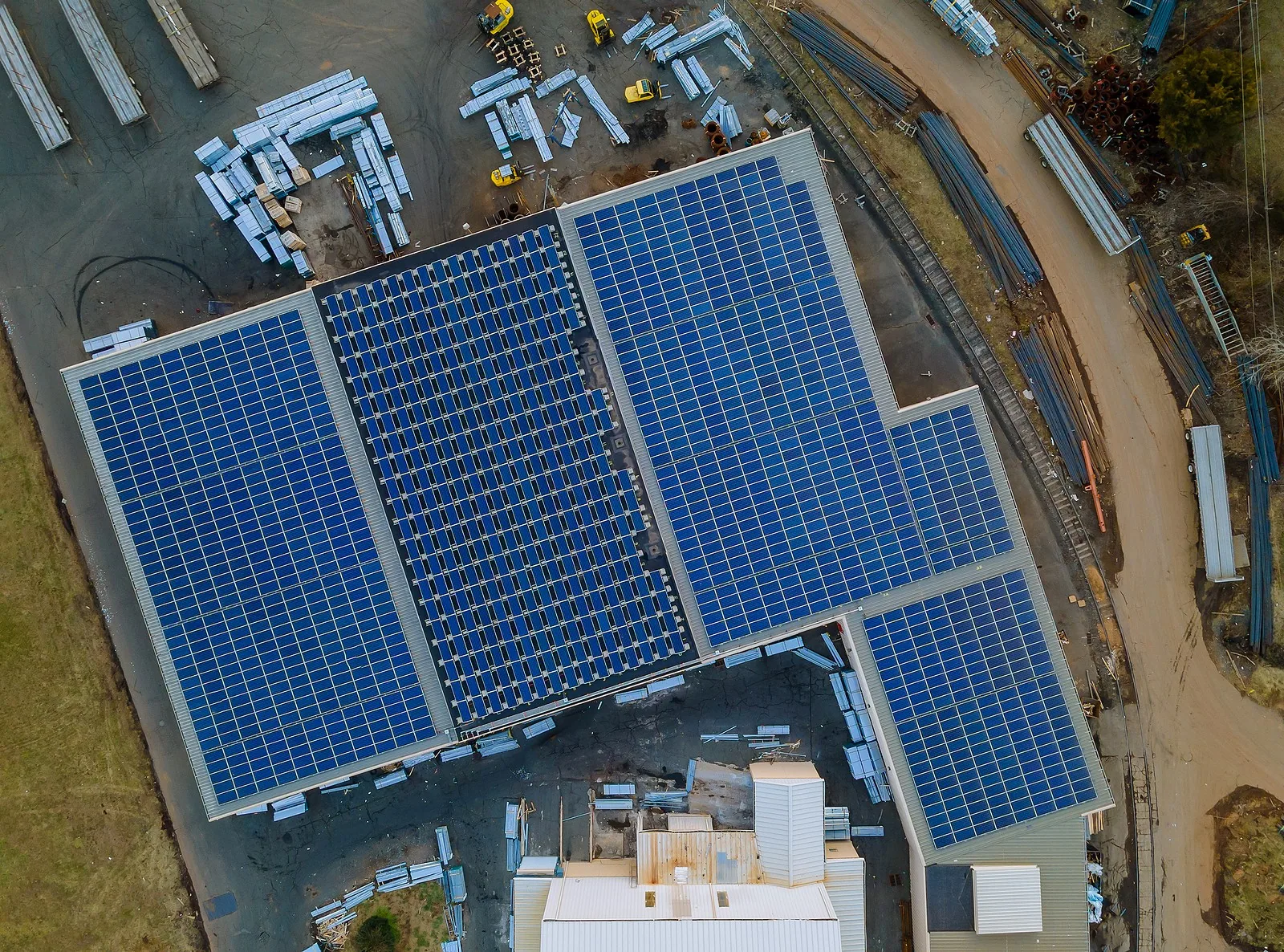

Future solar work can change a reroof bid before any equipment is ordered. Solar-ready commercial roofing in Fairfield, CA, begins by defining the current roof scope and the information required for the later installation, including supporting construction, attachment interfaces and access. We assess the roof work assigned to us and identify unresolved coordination questions. Put the intended equipment layout and responsibility boundaries beside the roofing section early, so the general contractor can plan the interfaces without pricing a vague promise that any future system will fit.
The specific building helps organize that coordination. NorthBay Health Medical Center is located in Fairfield. For an assigned healthcare roof project, equipment and roofing releases need the actual facilities contact and approved work area. Include those contacts with the proposed solar interface rather than leave future access outside the reroof discussion. We can then describe the roofing task and closure responsibilities for that structure while the relevant design team resolves the future equipment and supporting construction.
The equipment layout needs review
Equipment layout affects where roofing interfaces and service routes may be needed. A future concept can guide coordination, but it does not establish the attachment, loading or permanent detail for the finished installation. We identify roof connections needing further information and discuss the current roofing boundary. The contractor should obtain the relevant equipment and design review before treating the concept as a construction release. That keeps the reroof bid specific about its installed work while unresolved future tasks remain visible in the project sequence.
Supporting capacity requires the appropriate structural assessment. The existing deck, framing and proposed equipment all influence that review, and a serviceable membrane does not establish structural suitability. We provide the roofing assembly information relevant to the interface and flag missing construction details. Assign the responsible design work in preconstruction and identify how changes affect the roof scope. The contractor can then price a defined support or connection rather than allow a general solar-ready description to carry an unexamined load and attachment assumption.
Roof condition precedes equipment
Concealed moisture or failing connections can change the roof work needed before equipment occupies the area. We examine accessible condition and identify the checks required for the supporting layers. An infrared roof moisture investigation can help direct confirmation under suitable conditions. Schedule that assessment before retained-layer and removal quantities are committed. Installing equipment over an unresolved assembly can make later access and repair more complicated, so the bid should identify the roof concerns requiring correction rather than defer them beneath a future layout.
Replacement and recover choices need their own assembly review alongside the equipment concept. A defined commercial roof replacement can address existing layers and permanent details, while retained construction requires evidence that it supports the proposed roof system. We explain those findings and scope boundaries. Give the contractor the roof decision and equipment interface together, so procurement follows a resolved current assembly instead of an assumption that preparing for solar automatically establishes which existing layers may remain.
Attachment interfaces need trade boundaries
A penetrating support needs a defined roofing connection around the supporting construction. Its attachment and load path belong in the appropriate project design review, while the membrane detail needs compatible material and reliable surrounding construction. We identify the roofing tasks at that interface before pricing. Include the supporting detail, elevation and responsible trade in the request. The contractor can then coordinate roof work at equipment supports without leaving the final flashing to be decided after the support has already been installed.
A nonpenetrating equipment concept can still affect roof protection, loading and access. Its suitability must be assessed for the complete project rather than assumed from the absence of a drilled opening. We discuss the assigned roofing interfaces and identify information needed for review. Put the handling route and proposed protective arrangements in the construction plan. That allows the contractor to distinguish roof installation from equipment placement and assign any inspection or correction needed if another trade changes the finished membrane during its work.
Roof materials need service routes
Membrane selection and supporting layers affect how the roof accommodates defined equipment interfaces and maintenance traffic. A TPO assembly for the project and a PVC roof option each need the specified construction and compatible details. We price the selected system with those requirements resolved. Identify the future service route and connection locations during review so an alternate is compared on its complete preparation and protection work rather than simply the field membrane’s price.
Material handling can damage a finished connection if the route and protection remain unassigned. We discuss roofing exposure and the project-required safeguards before equipment placement begins. The contractor should identify who maintains those arrangements and who reviews the affected roof afterward. Include that coordination in the schedule rather than assume a completed reroof ends every roofing responsibility for later work. A defined handoff lets the owner distinguish damage requiring attention from a connection that was examined and completed under the original scope.
The handoff preserves the scope
Heat is one condition that can affect roofing application before future equipment work begins. Fairfield recorded 117 F during the September 5, 2022 heat event; that historical city observation is not a measured condition for the project roof. We examine actual application conditions for the selected material and discuss the available tasks. Keep preparation, permanent connection work and equipment release distinct in the day plan, so the contractor can sequence the trades without relying on one historical reading or a broad seasonal assumption.
A later equipment phase needs the completed roofing scope and unresolved interfaces available for review. For a project in the NorthBay medical district, identify the actual facilities contact and assigned structure for that future release. Recorded roof condition and connection findings can support the handoff. State the required records before pricing so the contractor can provide the later trade with the roof assembly and boundaries, rather than a solar-ready label that leaves support, access and protection decisions undefined.
A solar-ready roof review in Green Valley Corporate Park, should record planned equipment zones and the structural or electrical questions that remain for the project team.
Commercial Roofing Questions
What information makes a solar-ready roofing request priceable?
Provide the current roof section, intended equipment concept and responsibility boundaries. Identify which attachment and supporting questions remain for design review. We define the assigned roofing connections and condition checks so the contractor can price actual preparation rather than a broad assurance about an unspecified future installation.
Does a serviceable roof prove the structure can take equipment?
Arrange the appropriate structural assessment of the complete proposed project. Roof surface condition does not establish deck or framing capacity. We identify the assembly information and roofing interfaces needed for that review so the contractor can resolve supporting construction before committing the equipment and roof connection scope.
Can equipment be placed before concealed moisture is checked?
Assess the roof condition early enough to resolve retained layers and repair access. We explain suitable investigation and confirmation tasks where moisture remains uncertain. The contractor should coordinate that decision before placement makes the affected assembly harder to reach or turns an unresolved roof concern into a later equipment-removal task.
Who should finish flashing around a new support?
Define the support, installation and roofing connection responsibilities before the support is released. We identify the membrane detail and preparation required for the assigned construction. Include temporary closure where tasks occur separately so the final connection is not left between the support installer and the roofing scope.
What should be retained for the later solar phase?
Keep the installed roof section, completed connection records and unresolved interface questions with the assigned building information. We discuss the reporting scope during pricing. The contractor can then coordinate later work from a defined assembly and protection plan rather than assume the phrase solar-ready approves every future equipment layout.
Related Roofing Work
Send the future interface early
Send the roof section, equipment concept, supporting-design responsibilities and intended trade sequence. We will define current roofing work and the interfaces still needing review.