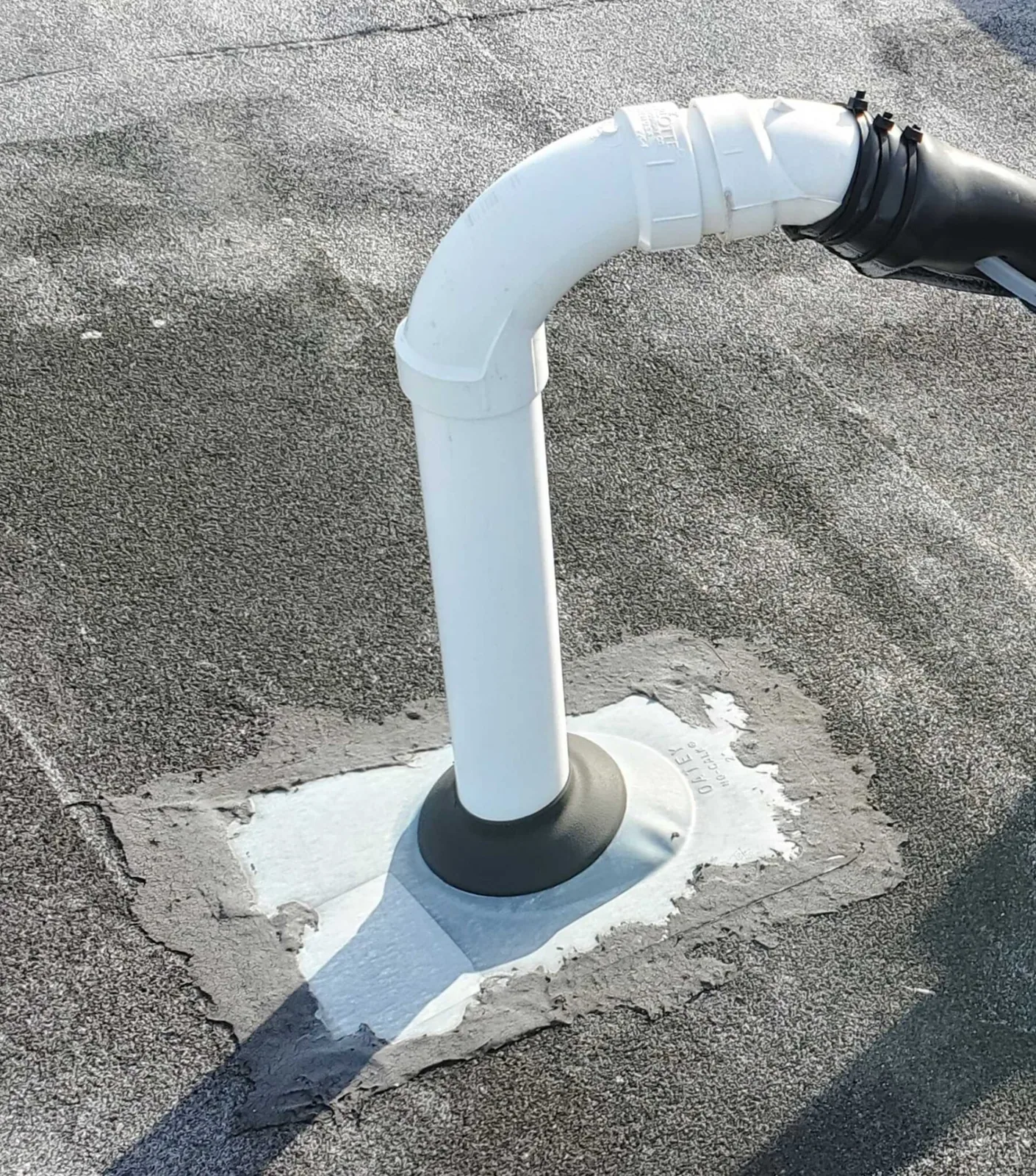

A penetration repair bid in Fairfield, CA needs to identify whether the failure belongs to the roof flashing, the curb or the equipment above it. Water near a skylight can come from its glazing or frame as well as the membrane connection. We investigate the route and define the roofing correction before pricing removal. That distinction lets the general contractor coordinate the appropriate trades and avoid scheduling a roof patch as though it resolves an unexamined unit defect.
Fairfield's historical 117 F temperature on September 5, 2022 provides local context for examining thermal movement at those connections. It does not establish a specific skylight condition. The NorthBay Health Medical Center identity places a healthcare facility in Fairfield's Fairfield address, a useful local context for protection beneath roof openings. At an assigned property, the actual room use, access and equipment construction determine the protection and coordination needed before flashing is opened.
Trace the separate water routes
A curb can receive water through a failed membrane connection, while a skylight can admit it above the roof detail. We examine accessible flashing, joints and the relationship to the interior leak, then identify any equipment investigation needed from another trade. A single stain can combine more than one route, making it useful to record when it appears and whether equipment operation or rain changes the symptom. The bid should follow those findings rather than the name of the nearest penetration.
Our investigation of leaks near roof openings connects the observed room condition to the roof assembly. The GC should arrange interior access and available unit information before the visit. Work in the NorthBay medical district still requires the assigned building's specific permissions and use information. That preparation allows the scope to identify a roofing defect clearly and explain any equipment responsibility that must be resolved alongside it.
Inspect the supporting detail
A flashing repair depends on the curb or base beneath it. We examine the height, condition and attachment accessible at the opening, including any movement that could pull the connection apart. Unsound backing or an unsupported penetration can prevent a durable roof repair even when the new membrane material is suitable. The bid needs to identify whether the task is a surface connection or a reconstruction involving the supporting detail.
Our work at rooftop curbs and supports can be coordinated with the equipment trade where isolation or movement is necessary. The GC should resolve who controls the unit and whether lifting or temporary shutdown belongs in another scope. A clear responsibility boundary prevents the roof opening from waiting on unplanned equipment access. Concealed conditions that cannot be checked before removal receive a stated allowance and a review procedure rather than an assumption that the base will accept the new detail.
Prepare sound material
Old sealants and repair compounds can leave an adjoining membrane unsuitable for another bond. We inspect the repair edges and determine which material must be removed before the new flashing joins sound roof surface. Cleaning is a preparation task, not proof that every existing compound is compatible. The selected system's joining requirements guide the final detail and may require a larger removal boundary than the visible crack suggests.
With PVC roof flashing work, the existing membrane condition and compatible joining method need confirmation. Other roof systems require their own material assessment, so a substitution must address preparation and connection rather than price alone. Through reconstruction of failed flashing, we explain the base work and surrounding tie-in needed for the permanent repair. The GC can then compare bids that address the same construction instead of a surface patch against a rebuilt penetration.
Coordinate the room below
Opening a flashing can expose the room even during a short repair. We agree on protection, access and a secure closure boundary before material is removed. Damaged ceilings or electrical concerns require the responsible building personnel and appropriate trades to establish restrictions. The GC should coordinate those tasks with any equipment isolation, so the roofer is not ready to open the detail while the interior or unit remains unprepared.
For roof detail work at a hospital assignment, the operator's requirements can influence timing and the permitted work boundary. The actual building use is confirmed for the project before the sequence is finalized. Material delivery, cleaning and joining readiness should also be settled before removal. A planned stopping point limits exposure if conditions interrupt the work, with temporary protection described separately from the permanent connection that will complete the assigned repair.
Close the detail deliberately
The final connection needs suitable surface moisture and temperature at the actual work area. A shaded curb can remain damp after the surrounding field appears ready, and hot materials can change handling requirements. We inspect readiness and follow the selected system's preparation and joining instructions. The schedule should include that assessment instead of assuming installation can begin immediately after removal or washing.
Our continued care of roof penetration details can monitor the repaired connection and identify new traffic or equipment damage. Emergency assistance is available across nights, weekends and holidays, with response timing confirmed for the site and conditions. At closeout, we describe the roofing work completed and any unresolved equipment finding so the GC can coordinate the remaining task. A permanent roof detail should not be called complete while a separate unit defect remains hidden inside an undefined roofing recommendation.
Before pricing a skylight transition, establish whether the existing unit, curb and roof opening are staying in place. A flashing repair can require removal of counterflashing, review of curb height and a defined return beneath the roof membrane. If glazing or frame work is outside the roofing scope, name that trade dependency so the final connection is not left open. The closeout should identify the tested perimeter and any remaining unit condition that was not part of the roof correction.
For a skylight repair near Downtown Fairfield, establish whether the unit and curb remain, then define the roofer and glazing contractor handoff.
Commercial Roofing Questions
Does a leak beside a skylight require replacing the unit?
Investigate the glazing, frame and roof flashing as separate potential routes. A sound unit can sit above a failed membrane connection, while another leak may require equipment work rather than roofing. We recommend defining the responsible component before the GC commits to replacement or a limited flashing repair.
Can the existing curb remain under new flashing?
Inspect its condition, attachment and geometry first. Unsound backing or inadequate support can compromise the new connection. We recommend stating any reconstruction separately and identifying concealed conditions that need review after opening, so the repair scope does not assume a suitable base that has not been checked.
Should equipment isolation be part of the roofing price?
Define the responsibility in the project scope. Another trade may need to disconnect, lift or secure a unit before roofing can proceed. We identify that dependency during planning, allowing the GC to carry the necessary work and schedule it before the flashing is removed.
Why remove sealant that appears intact?
Compatibility and bond condition can require removal even where the exposed bead looks unbroken. Old compounds may prevent new flashing from joining sound material. We recommend examining the repair boundary and following the selected system requirements rather than covering every existing layer with another application.
What should be resolved before opening above an occupied room?
Confirm room protection, access restrictions, equipment coordination and the stopping boundary for the roof opening. Materials and joining readiness should also be arranged. We can describe those tasks early so the GC does not have to resolve interior exposure after the weather connection has already been removed.
Related Roofing Work
Send the roof scope early
Send the Fairfield penetration drawings, unit information and interior restrictions before setting the repair allowance. We will define the roof connection and coordination needed to protect the construction sequence.