
Mare Island commercial roofing needs the existing construction understood before a GC fixes the replacement allowance. An earlier alteration can leave layers or metal connections different from the available drawings, with consequences for removal and new attachment. We inspect the roof, investigate entry and define repair, recover, restoration or replacement options against those findings. The price identifies preparation and interfaces so a field material quantity does not conceal the work required to connect it properly.
Mare Island's place geography includes Nimitz Avenue, Railroad Avenue, Walnut Avenue, Azuar Drive and the Mare Island Causeway. Those road identities locate an assignment supported from Fairfield, CA, while actual staging and permission are established with the property contact. Fairfield experienced a historical city temperature of 117 F on September 5, 2022. That regional heat context makes existing movement and previous repairs useful inspection subjects without establishing damage or a roof assembly at a named island property.
Alterations affect retained boundaries
A drawing can explain an original roof but omit a later curb or repair layer. We compare accessible construction with the supplied information before deciding what can remain. Differences in support, attachment or material can change the preparation necessary for a recover or selective correction. The GC should resolve that investigation before comparing field prices, because a retained base is part of the new construction even when it is not newly purchased.
Our survey of roof construction before commitment describes observed conditions and any inaccessible areas requiring further confirmation. A separate job in Vallejo receives its own assembly assessment. We identify the construction basis for the recommendation instead of allowing an assumed uniform roof to determine removal. Concealed differences then have an approval route and defined quantity basis, helping the GC plan the bid without treating every unknown component as an unlimited extra-work instruction.
Metal interfaces need separate investigation
Water below a metal roof can involve a lap, fastener opening or flashing connection rather than a broad failure of the panel field. We inspect those interfaces and look for movement or unsupported edges that could stress the repair. A new bead across the visible joint may leave the mechanical cause unchanged. The bid should distinguish local reconstruction from a coating or wider retrofit, with each option addressing the defect actually found.
Our repair of standing seam roof connections follows the installed profile and supporting construction. An assignment in Benicia can present different panels and attachment, requiring its own detail. We review compatible accessories and movement provisions before fabrication or material substitution. The GC can then obtain components that suit the actual connection, instead of ordering a visible profile first and discovering during removal that the concealed support needs a different reconstruction.
Sound layers support membrane repairs
A membrane opening can admit water into insulation beyond the visible tear. We inspect supporting material and identify the removal needed to reach a sound repair boundary. New sheet material does not make damp or deteriorated layers suitable to retain. The GC should compare the removal depth and replacement layers beside the surface area, because two repairs with similar outlines can involve different construction and disposal tasks.
Our permanent corrections to membrane roof defects define the preparation and connection to useful retained material. Through replacement of compromised support beneath a repair, we restore the local base where appropriate. Additional hidden damage is recorded and measured before the scope expands. That gives a concealed allowance a practical role while preserving a clear distinction between findings already established and construction that cannot yet be confirmed without opening the assembly.
Handling and readiness affect installation
Material on site does not settle the route to the roof or the condition required for joining. We confirm the protected handling path and work boundary with the assigned property contact. Moisture and temperature are checked at the actual detail, including shaded or previously wet areas. The GC should coordinate those requirements with delivery and adjacent trades so installation follows usable access and preparation rather than the arrival of the shipment alone.
Our roof sequencing with protected interiors identifies temporary closure and a secure stopping point. Removal and application can be divided where that arrangement suits the assembly, allowing preparation to proceed without exposing more construction than can be protected. We explain the remaining hold if the selected material requirements are not met. A clear condition for the next stage helps the GC manage schedule float and avoids committing interior finishes while the permanent weather connection is still incomplete.
Repair records support future decisions
At handover, the corrected area needs a defined location and construction boundary. We identify replaced components, retained limits and any separate equipment work that remains. The GC can use that status with the responsible interior trades to evaluate finishes and moisture readiness below. Water stopping is useful evidence of protection, but it does not settle every affected ceiling or electrical concern. Those tasks should remain assigned until the appropriate personnel complete their assessment.
Urgent roofing support extends into overnight periods, weekends and holidays, with timing confirmed for the address and access. Temporary protection can precede the permanent decision without establishing that the entire roof needs replacement. Maintenance recommendations follow current drainage, traffic and material findings. Later symptoms are investigated independently, because new service damage or another interface may explain water near a previous correction. We use the completed record to identify that earlier boundary, then develop the next scope from the conditions actually found rather than automatically extending the same repair.
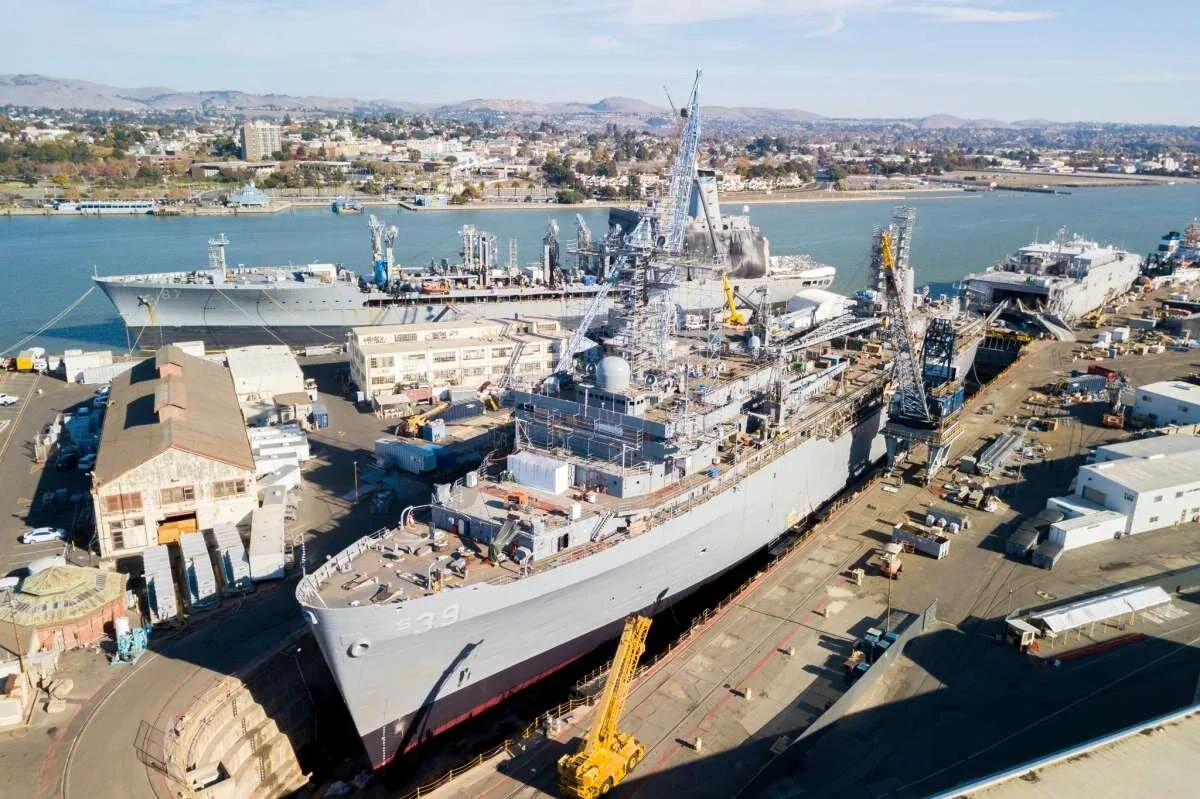
Mare Island is a distinct geographic part of Vallejo, roughly three and a half miles long, with a history that includes the former naval shipyard. Its boundaries help identify the service area; they do not establish the age, construction or condition of any current commercial roof. For a proposed building there, provide the parcel or facility name, authorized contact and delivery route before the visit. We examine accessible seams, drainage and penetrations, document any limits, and coordinate work around the operator's actual security, tenant and maintenance schedule.
Commercial Roofing Questions
How should drawings and observed roof layers be reconciled?
Compare the accessible assembly with the supplied drawings and identify differences before selecting retained construction. Later alterations may affect attachment or preparation. We recommend recording the findings and confirmation limits so the GC can carry a defined concealed allowance rather than assume the original detail remains unchanged.
Does leaking metal need a full surface treatment?
Examine laps, fasteners, flashing and supporting conditions first. A local mechanical defect can require reconstruction that a field coating will not resolve. We explain the connection found and compare useful options, allowing the GC to price the actual correction before carrying broader material work.
What should be settled before fabricated roof metal is ordered?
Measure the profile, supporting material and movement requirements at the assigned detail. The visible piece alone can omit concealed attachment needs. We recommend resolving that construction basis before procurement so the GC obtains a component that fits the permanent connection and its preparation.
Can delivered materials establish readiness for roof installation?
Confirm access, protection and the surface condition required by the selected material. Delivery is only one dependency. We identify preparation holds and secure stopping arrangements so the GC coordinates roofing against the usable work area instead of expecting the shipment to settle every outstanding construction task.
How does a closeout record assist with a later island property leak?
Locate the completed correction and retained boundaries, then compare them with current observations. A nearby symptom may follow a different water route or new service damage. We recommend investigating that cause before changing the previous repair, so the additional construction addresses the defect identified during this investigation.
Related Roofing Work
Send the roof scope early
Send the Mare Island address, available roof drawings and access requirements early. We will identify construction differences and repair connections before the roofing allowance and installation dates are fixed.