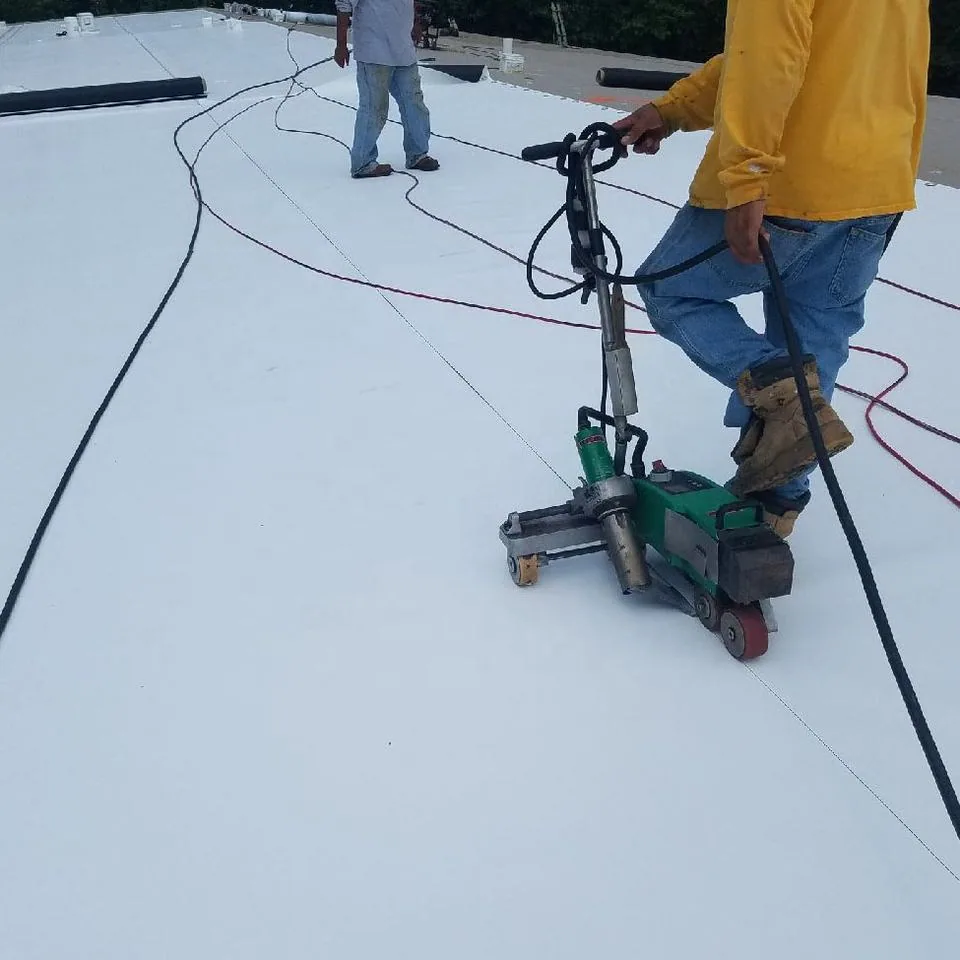

A PVC roofing allowance needs the exact specified sheet and detail construction before its welding and preparation labor can be compared. Sika Sarnafil commercial roofing in Fairfield, CA, includes Sarnafil and Sikaplan PVC membrane families, with the selected product and project assembly controlling installation and repair. We define the supporting and connection work before pricing. Send the designated membrane and roof section early so the general contractor can compare a resolved permanent scope instead of treating the PVC family name as the complete construction.
Occupied-area access adds another requirement to that material review. NorthBay Health Medical Center is a hospital in Fairfield. A healthcare roofing assignment needs its actual facilities contact, released structure and protection boundaries before welding or removal is proposed above occupied rooms. Include that information in the request beside the Sika assembly. We can then discuss the material route and daily closure for the intended task, with the operator’s work limits reflected in the bid before the installation period is committed.
The membrane identity controls the detail
Product identification affects the repair connection when an existing PVC roof has aged or received earlier patches. We examine available records and exposed material, then identify checks needed before a new tie-in is selected. A Sika PVC roof scope needs its compatible materials and preparation resolved for the actual sheet. Give the contractor those records with the defect locations so the bid can distinguish a known repair from an allowance still awaiting material identification or examination of the supporting layers.
A welded connection needs suitable preparation and sound surrounding material. A visible opening can require work beyond its apparent edge to reach a reliable tie-in. We identify that boundary and the condition supporting it before a seam quantity is priced. Include the permanent endpoint in the scope, rather than assume every opened lap accepts the same surface treatment. The contractor can then assess welding, preparation and any replacement material as one defined repair instead of separating quantities that leave the connection between them unresolved.
Moisture changes the repair boundary
Concealed moisture can require removal below an otherwise repairable membrane detail. We identify the investigation needed and distinguish suspected areas from confirmed wet layers. An infrared moisture investigation can guide appropriate confirmation under suitable conditions. Carry that task ahead of final repair or retained-layer quantities. The contractor should compare permanent scopes on the assembly condition established, rather than treat a continuous-looking PVC surface as evidence that insulation beneath it is ready to remain under new work.
Supporting-board and insulation work can change the repair’s elevation and attachment interface. We describe the layers removed and replaced with the tie-in into remaining construction. Include disposal and the method for approving changed boundaries in the bid. A narrow seam opening may be the symptom that starts the task without defining every layer requiring attention. The contractor can then distinguish field-sheet repair from assembly reconstruction and carry an appropriate allowance where the investigation has not yet established the full permanent removal boundary.
Permanent flashing needs an interface
Wall and curb work can involve unstable attachment beneath an exposed surface gap. We examine the accessible connection before pricing repair of PVC roof flashing. Provide detail drawings and identify equipment or wall-finish work that another trade must release. The quantity should describe the permanent connection, including its preparation and supporting material. That allows the contractor to coordinate the actual repair instead of counting visible gaps and assuming every termination can be closed without affecting adjoining construction.
Comparison with a Duro-Last PVC proposal needs review of the complete proposed assembly and accessories. We identify changed supporting and connection tasks for the project’s assessment instead of assuming that a shared PVC description makes materials interchangeable. Put the substitute construction before review and procurement, with the same repair or installation endpoint specified. The contractor can then evaluate a field-material difference without omitting a changed detail component or preparation requirement that remains necessary to finish the roof interface.
Readiness follows the accepted construction
Submittal review takes schedule time when supporting layers or connections remain unresolved. We provide the roofing scope and identify missing detail information before the proposed installation date. Include time for a revised response where the assembly changes. Component availability then needs confirmation for the selected materials rather than the entire Sika family range. The contractor should coordinate accepted construction and supply together, so an available field sheet does not become a start commitment while board, attachment or permanent detail material remains undefined.
Occupied-room releases can add repeated setup and daily tie-ins to a phased reroofing installation. We discuss the daily boundary, protection and closure for the assigned building. Send the operator’s limits early and apply them consistently to manufacturer comparisons. The bid can then include the actual preparation and closure labor instead of assuming a continuous installation period above rooms whose release changes during the construction sequence. Equipment return and roof detail completion should also have clear responsibilities before that phase is committed.
The connection needs suitable conditions
Current application conditions govern the permanent task, not a historical heat observation. Fairfield reached a city reading of 117 F on September 5, 2022, which supports planning for demanding conditions without assigning a temperature to the project roof. We examine the intended preparation and installation against the selected material’s requirements. Include that assessment in the day plan. The contractor can then coordinate a released work area with suitable roofing tasks instead of treating a forecast or material delivery as evidence that every connection is ready to complete.
The handoff should retain the installed material and completed detail findings. For roofing in the NorthBay medical district, identify the actual structure and operator with the agreed closeout requirements. We discuss records and required project checks before pricing. A GAF system alternate needs the same agreed completion endpoint for comparison. That gives the contractor a permanent scope and documented responsibilities rather than a product-family label standing in for finished connections, project review and any applicable warranty terms.
For Sika Sarnafil work at Fairfield Corporate Commons, document the system selection and transition details for the actual building rather than relying on district context.
Commercial Roofing Questions
What must be known before repairing an existing Sika PVC roof?
Identify the actual sheet and assess the material around the proposed tie-in. Include previous repairs and available assembly records. We describe the compatible connection and investigation remaining so the contractor can price a defined permanent repair instead of a patch selected solely from the broad PVC family.
Can a seam length define the entire repair price?
State preparation, supporting condition and replacement material alongside the measured connection. We identify where wet-layer investigation or wider removal is needed. The contractor can then compare similar permanent endpoints rather than one seam allowance including assembly reconstruction while another covers only exposed surface work.
How should another PVC manufacturer be compared?
Review the complete alternate assembly and accessories with the project requirements. We identify changed detail and preparation tasks before procurement. A shared membrane family does not establish interchangeability, so the contractor should compare installed construction and permanent connection endpoints rather than field-sheet prices alone.
What can keep a delivered membrane from being ready to install?
Resolve supporting components, accepted details and equipment or occupied-area releases with the sheet order. We identify those dependencies in the scope. The contractor can then sequence the actual ready assembly rather than an arrival of field material that leaves permanent attachment or connection work blocked.
What should be recorded after the welded details are completed?
Retain the selected material, repair locations and required project findings with the completed roofing scope. We discuss the records during pricing and identify unresolved concerns separately. The contractor should coordinate any applicable document or warranty review without assuming a manufacturer label proves every project closeout item is complete.
Related Roofing Work
Send the Sika membrane and detail requirements
Send the specified sheet, roof section, repair locations and operator’s access periods. We will define preparation and permanent connections for the roofing bid.